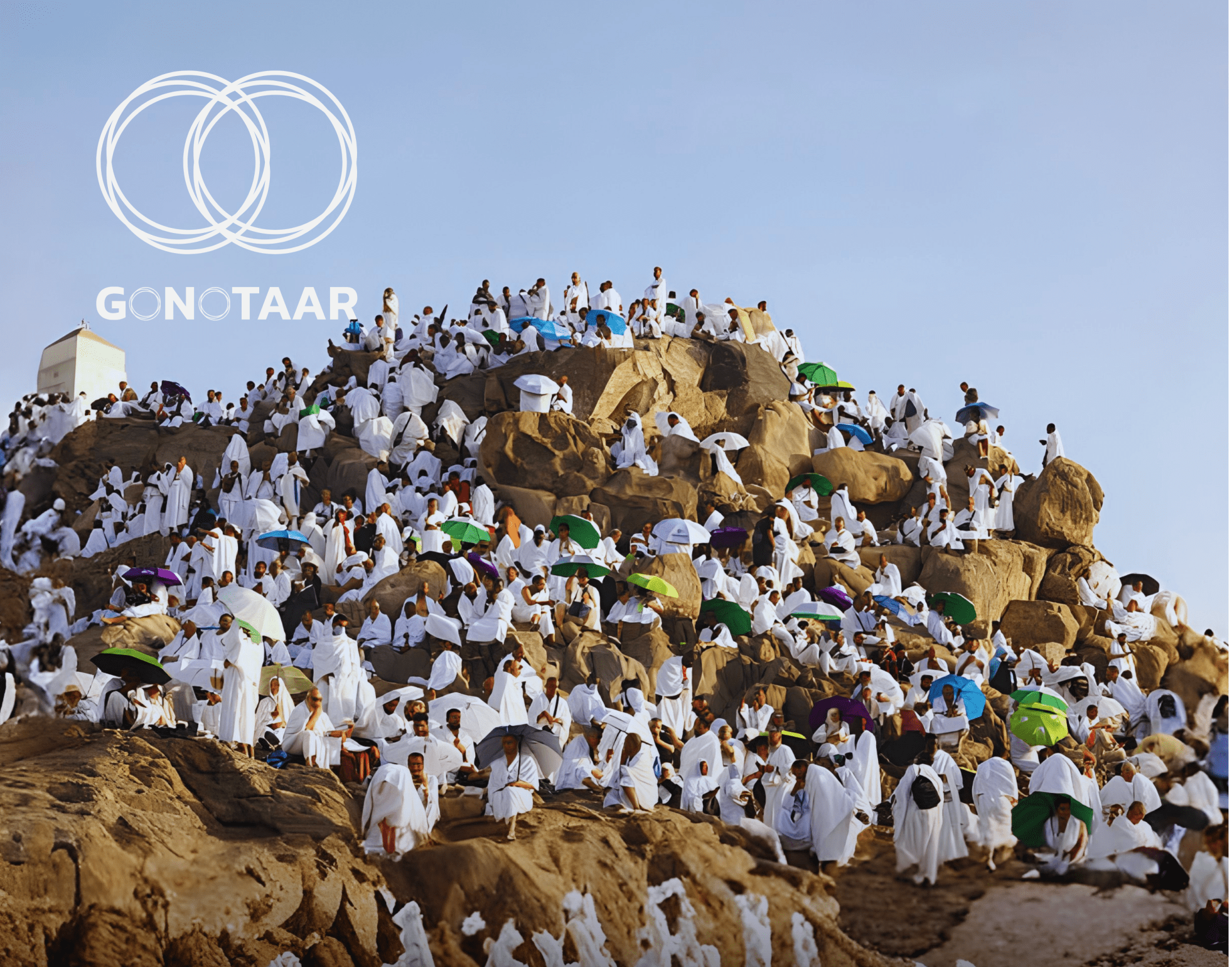
The holy plains of Arafat echoed with the chant of “Labbaik Allahumma Labbaik” on Tuesday as more than 1.6 million pilgrims gathered to perform Wuquf-e-Arafah, the most significant and spiritual pillar of Hajj.
Pilgrims spent the day in deep prayer, Quran recitation, supplication, and remembrance of Allah, seeking mercy, forgiveness, and spiritual purification during what is considered one of the holiest days in the Islamic calendar.
According to reports by the Saudi Press Agency and Arab News, pilgrims began arriving at Arafat from early morning on the 9th day of Dhul Hijjah. They remained within the designated boundaries of the plain until sunset, fully immersed in worship and reflection.
The Heart of Hajj
In Islamic tradition, standing at Arafat is regarded as the central ritual of Hajj. The Prophet Muhammad (PBUH) famously said:
“Hajj is Arafah.”
The statement underscores the unmatched spiritual importance of the day.
Islamic scholars describe the Day of Arafah as a unique opportunity for divine mercy, forgiveness of sins, and renewal of faith. Historically, Arafat also holds immense significance as the place where Prophet Muhammad (PBUH) delivered his Farewell Sermon in 632 CE, emphasizing justice, equality, and human rights.
A Sacred Landscape
Arafat, located around 20 kilometers southeast of Makkah, is a vast plain surrounded by hills and desert terrain. At its heart stands Jabal al-Rahmah (Mount of Mercy), where countless pilgrims gathered in prayer and tears throughout the day.
Pilgrims Continue Hajj Journey
Before arriving at Arafat, pilgrims spent Monday in Mina observing the Day of Tarwiyah, preparing physically and spiritually for the demanding rituals ahead.
Saudi authorities said extensive measures have been taken to ensure smooth Hajj operations, including enhanced security, transportation, healthcare, and emergency services.
Due to intense summer heat, health officials advised pilgrims to remain hydrated, use umbrellas, and avoid prolonged direct exposure to sunlight.
Next Destination: Muzdalifah
After sunset, pilgrims will leave Arafat for Muzdalifah, where they will perform Maghrib and Isha prayers together and spend the night under the open sky.
The following rituals will include the symbolic stoning of the devil and the sacrifice of animals as part of Eid-ul-Adha observances, marking the continuation of one of the world’s largest annual spiritual gatherings.