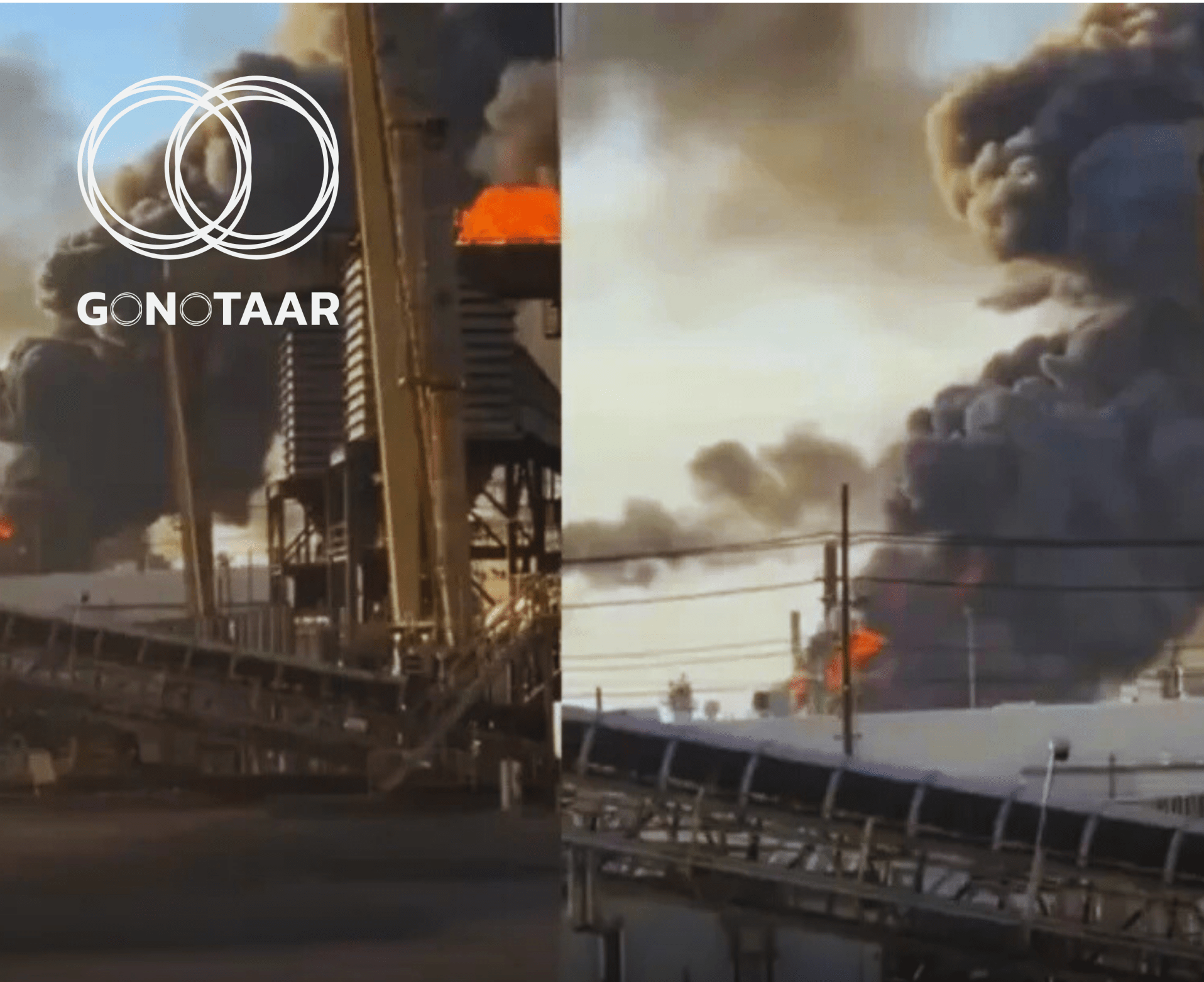
Global crude oil prices declined sharply on Thursday after indirect diplomatic talks between the United States and Iran in Qatar ended on a positive note, easing concerns over potential disruptions to global energy supplies.
According to Reuters, the price drop followed confirmation from Qatari officials that the two-day negotiations in Doha had made “positive progress.”
Oil Prices Decline
During early trading, prices of both major global oil benchmarks fell significantly.
- Brent crude dropped 73 cents (1.02%) to $70.84 per barrel.
- West Texas Intermediate (WTI) crude fell 83 cents (1.21%) to $67.75 per barrel.
The decline followed losses of more than 1% in the previous trading session, when both benchmarks reached their lowest levels in four months.
Talks Focus on Strait of Hormuz
Diplomatic sources said representatives from Washington and Tehran held two days of indirect discussions in Doha, focusing on restoring normal commercial shipping through the Strait of Hormuz and addressing the release of Iran’s frozen financial assets.
The Strait of Hormuz is one of the world’s most strategic energy routes, carrying around one-fifth of global oil supplies before recent regional tensions escalated.
Although military exchanges followed an alleged Iranian attack on a cargo vessel last week, tanker traffic through the waterway has begun to recover. US Vice President JD Vance also claimed that oil flows through the strait have returned to pre-conflict levels, though he did not provide specific data.
Oversupply Expectations Add Pressure
Market analysts said expectations of higher oil supply are also weighing on prices.
Chinese market research firm Haitong Futures said that the reopening of the Strait of Hormuz, combined with increased competition among oil-producing countries to maintain market share, is raising the prospect of an oversupplied market.
Meanwhile, the Organization of the Petroleum Exporting Countries (OPEC) is expected to discuss raising its production target by approximately 188,000 barrels per day from August during its meeting on Sunday.
If approved, the production increase would follow similar output hikes in June and July, further boosting global oil supplies and putting additional downward pressure on prices.
Source: Reuters