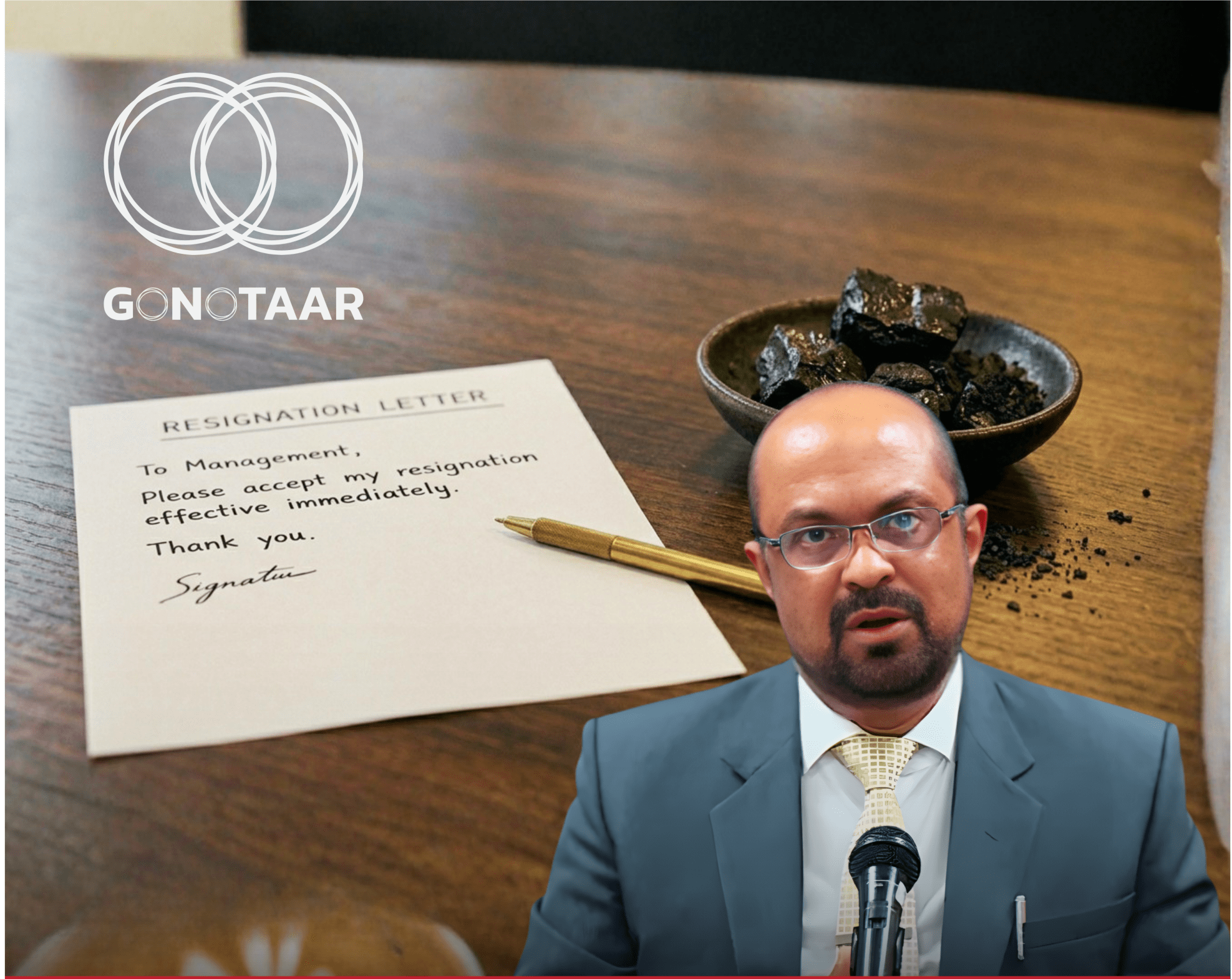
Sri Lanka’s Energy Minister Kumara Jayakody has resigned following serious allegations of corruption linked to coal imports for power generation. According to Reuters, the resignation came on Friday (April 17) after President Anura Kumara Dissanayake ordered an investigation into the matter. Energy Ministry Secretary Udayanga Hemapala also stepped down.
In an official statement, it was said that Jayakody voluntarily resigned to ensure an impartial investigation. His resignation was accepted by the president.
The controversy began after allegations surfaced over the supply of substandard coal to the country’s only coal-fired power plant, triggering public concern. The government has since ordered a full তদন্ত, which is expected to be completed within six months.
Foreign Minister Vijitha Herath told reporters,
“We are not trying to hide anything. All procurement processes followed proper procedures, and there is no direct evidence of corruption.”
Earlier, a no-confidence motion was brought against Jayakody in parliament but was rejected last week. However, mounting pressure from the ongoing controversy ultimately led to his resignation, making him the first senior minister in the current government to step down over corruption allegations.
President Dissanayake has also ordered a व्यापक investigation into all coal imports for power generation since 2009. Authorities have already acknowledged that low-quality coal disrupted operations at the state-owned Lakvijaya Power Plant.
Sri Lanka requires around 2.25 million metric tons of coal annually to meet nearly 40% of its electricity demand. Due to recent supply shortages, the country had to urgently import 300,000 metric tons of coal last month and increase reliance on diesel and furnace oil.
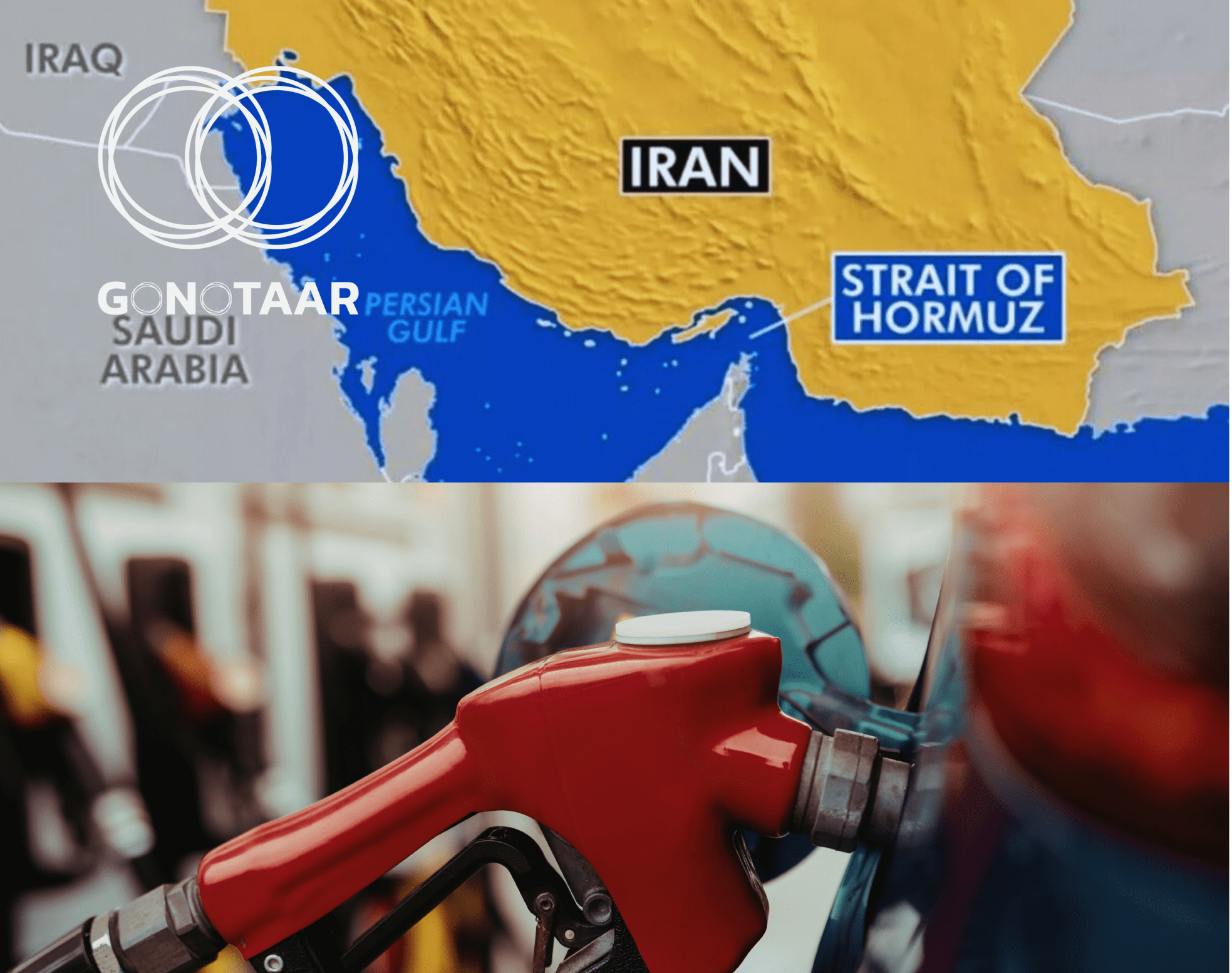
Still recovering from a severe economic crisis, Sri Lanka remains heavily dependent on imported fuel. Global supply pressures, particularly linked to Middle East tensions, had previously forced the country to impose fuel rationing and declare weekly public holidays to manage energy demand.