Human rights activists have accused Afghanistan’s Taliban authorities of effectively giving legal recognition to child marriage through a new law, raising serious concerns over women’s and girls’ rights in the country.
According to a report published by The Guardian on Friday, rights groups describe the move as “shameful”, arguing that it further restricts girls’ ability to seek divorce against their husbands’ will and deepens institutional control over women’s lives.
Concerns Over Child Marriage and Divorce Rights
Activists say Afghanistan has no official statistics on forced or underage marriages, but cases have reportedly increased in recent years. The situation, they argue, has worsened after restrictions on girls’ education beyond the age of 11.
Unverified estimates cited by rights defenders suggest that since the Taliban restricted female education, nearly 70% of girls have been forced into early or arranged marriages, with around 66% of them under the age of 18.
Under the Taliban administration, there is no explicit ban on child marriage. The newly approved divorce-related law has raised fears that girls who later claim they were forced into marriage may be unable to seek separation if their husbands object.
The law also suggests that women may not be able to seek divorce solely on grounds such as a husband’s absence or lack of financial support.
Protests and International Concern
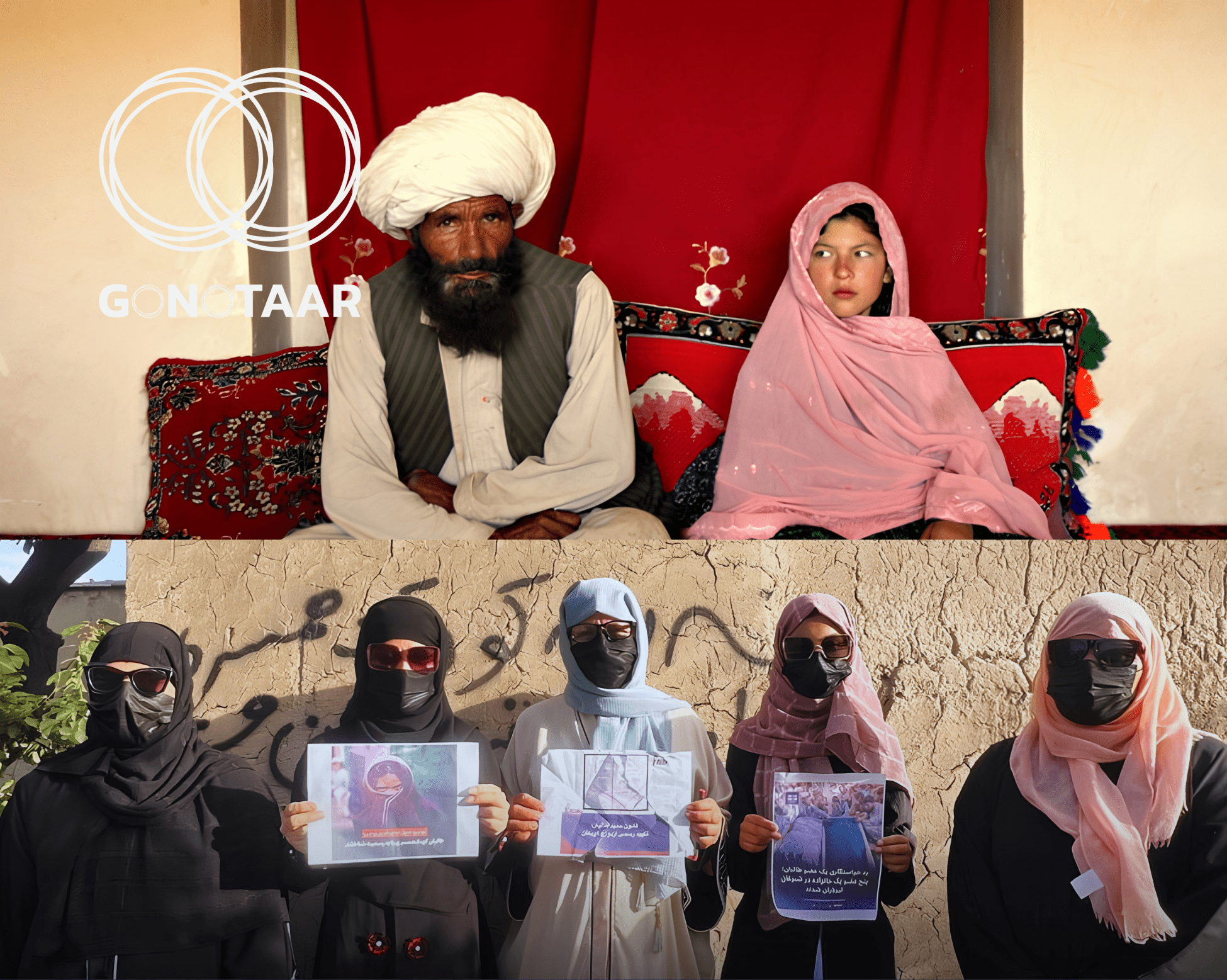
Reports indicate that protests have taken place in Kabul against the new legislation. Women’s rights groups have described the law as “institutional violence against women and children.”
Afghan human rights activist Fatima said the Taliban are attempting to institutionalize child marriage within a formal legal framework.
“Instead of ensuring security and justice, they are issuing discriminatory and misogynistic directives that suppress people’s freedom,” she said.
The United Nations Assistance Mission in Afghanistan (UNAMA) has also expressed concern, saying the decree further weakens the rights of Afghan women and girls and reinforces systemic discrimination.
UN official Georgette Gagnon warned that the law is part of a broader pattern of shrinking rights for women in Afghanistan, limiting their access to freedom, opportunity, and justice.
Taliban Response
A Taliban spokesperson rejected the criticism, stating that those opposing Islamic law and governance should not be given attention.
Ongoing Abuse and Human Impact
Human rights researchers have documented widespread domestic violence and psychological trauma among victims of child marriage in Afghanistan.
In a recent case in Daykundi province, a 15-year-old girl reportedly died following abuse by her husband. Her father said she had been married at age 14 and suffered repeated violence despite local elders’ urging her to stay in the marriage.
Rights experts warn that the new legal framework strengthens patriarchal structures and further undermines women’s legal standing and autonomy in Afghanistan.