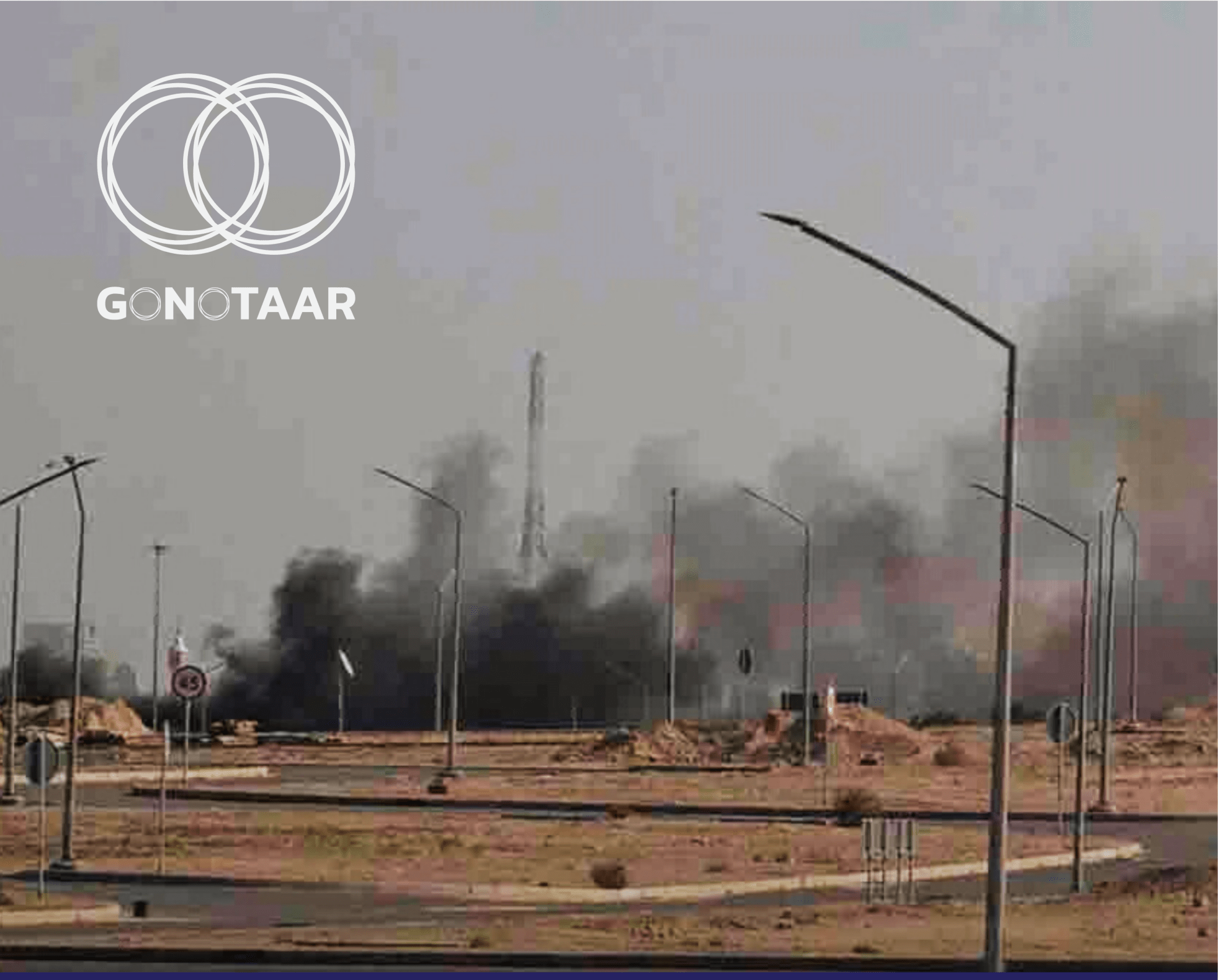
In a significant escalation of tensions, India initiated “Operation Sindoor” on the night of May 6–7, 2025, conducting coordinated air and missile strikes on nine locations within Pakistan and Pakistan-administered Kashmir. The operation targeted sites India identified as hubs for militant groups Jaish-e-Mohammed (JeM) and Lashkar-e-Taiba (LeT), which New Delhi holds responsible for the April 22 attack in Pahalgam, Jammu and Kashmir, that resulted in the deaths of 26 Hindu pilgrims.
Indian Defense Minister Rajnath Singh stated that the strikes were “focused, measured, and non-escalatory,” emphasizing that no Pakistani military installations were targeted. He reported that the operation successfully neutralized nine terrorist camps, eliminating over 100 militants, including high-value targets such as Yusuf Azhar and Abu Jundal. The Indian Air Force employed Rafale jets equipped with SCALP missiles and Hammer bombs during the 23-minute operation
Pakistan condemned the strikes as a “flagrant violation” of its sovereignty, reporting that six sites were hit, resulting in at least 26 civilian deaths and 46 injuries. Among the casualties were family members of JeM founder Masood Azhar in Bahawalpur and civilians in Muridke, where a mosque and adjacent buildings were destroyed . Pakistan’s military claimed to have shot down five Indian aircraft and announced that its armed forces had been authorized to undertake “corresponding actions” in response
The international community has expressed deep concern over the escalation. United Nations Secretary-General António Guterres urged both nations to exercise maximum restraint, stating that the world cannot afford a military confrontation between India and Pakistan .
As tensions remain high, both countries have placed their armed forces on alert, and diplomatic efforts are underway to prevent further escalation. The situation continues to evolve, with the potential for significant regional implications.
Source : Al Jazeera