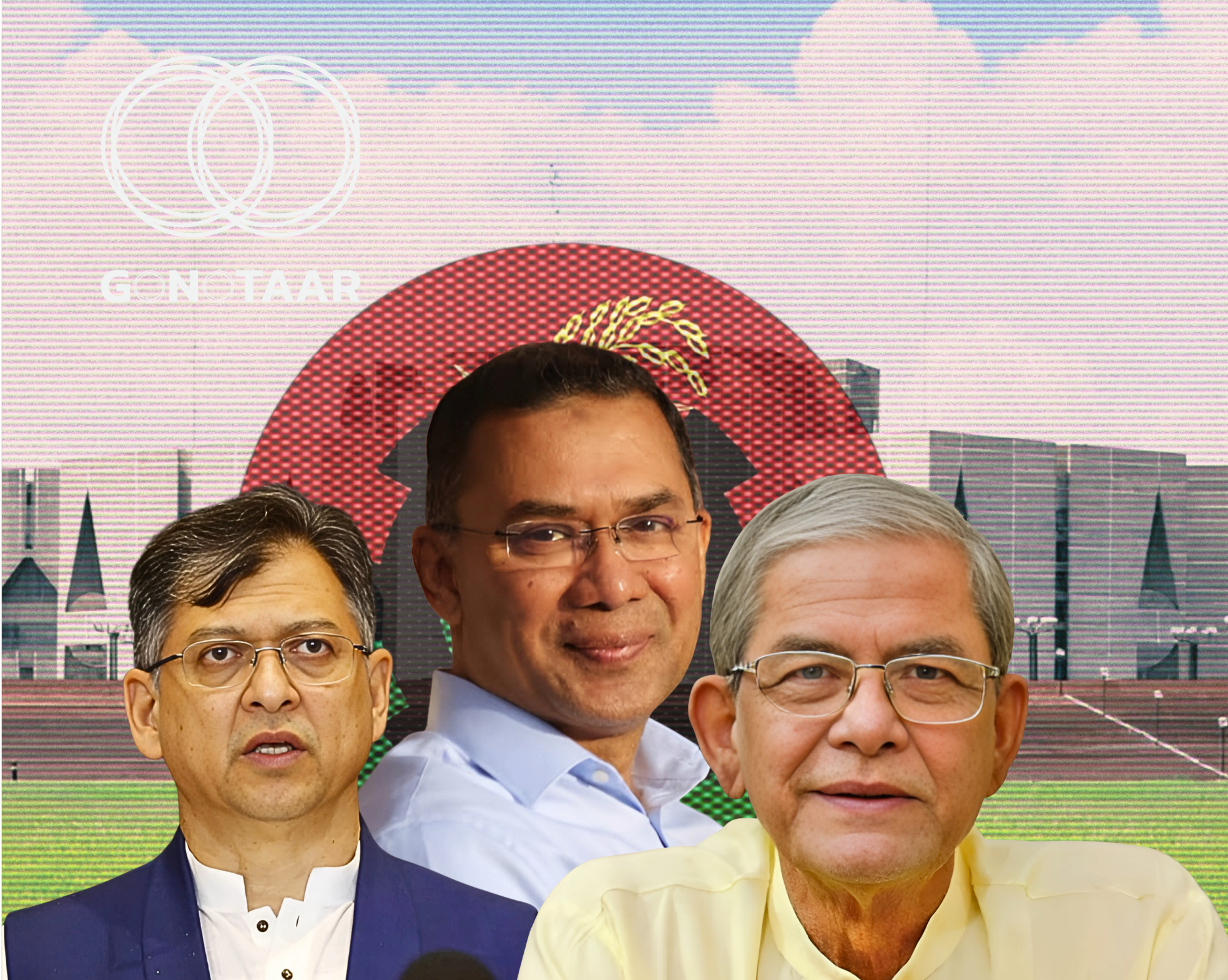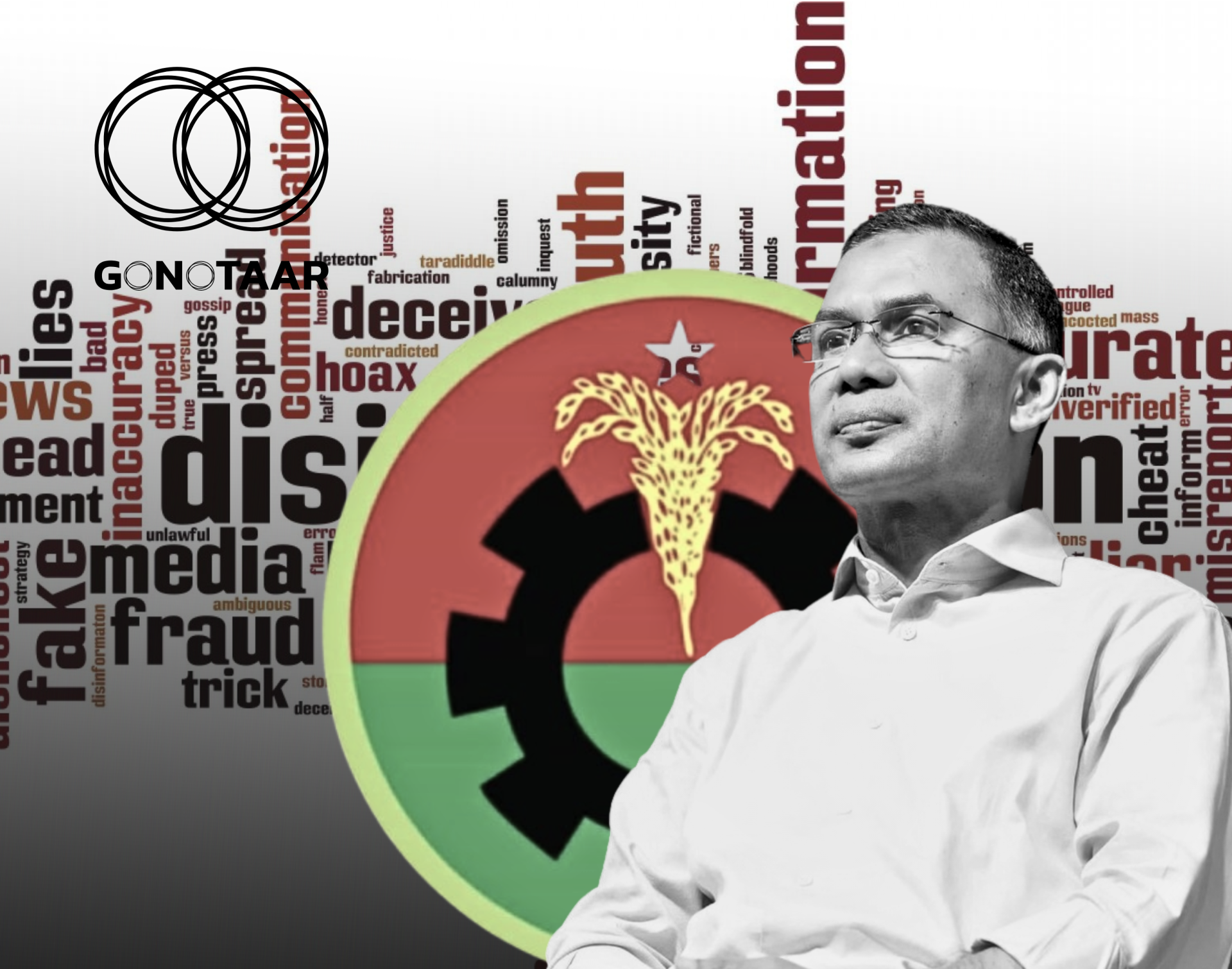
As Bangladesh approaches its 13th National Parliamentary Election, a comprehensive analysis has revealed a massive surge in coordinated disinformation, with the Bangladesh Nationalist Party (BNP) and its Chairman Tarique Rahman bearing the brunt of the propaganda.
According to a recent study by the fact-checking entity Rumor Scanner, 545 instances of misinformation were identified between the announcement of the election schedule and the peak of the campaign period. The data suggests that political smear campaigns have transitioned into a sophisticated digital warfare, primarily targeting the main opposition.
Tarique Rahman: The Primary Individual Target
The report highlights that Tarique Rahman, who is contesting from the Dhaka-17 and Bogra-6 constituencies, has become the single most targeted individual in this election cycle.
- 133 unique rumors were identified specifically targeting Tarique Rahman.
- 86% of these contents were found to be strictly negative, designed to damage his public image.
- The propaganda against him utilized a mix of fake quotes, edited videos, and high-tech AI-generated content.
BNP Faces Systemic Disinformation
As a political entity, the BNP has faced the highest volume of misinformation compared to any other party participating in the polls.
- 360 rumors were identified involving the party, accounting for a massive share of the total detected disinformation.
- 81% of the content directed at the BNP was categorized as hostile or negative.
- 14 BNP candidates were personally targeted with at least 172 pieces of misleading content.
Weapons of Choice: Photocards and AI
The report breaks down the tactical nature of these attacks. The most common “weapons” used to spread lies against the BNP included:
- Fake Photocards (145 cases): Using the logos of mainstream media outlets to broadcast fake news.
- Fabricated Statements (112 cases): Misquoting leaders or using edited audio/video to create confusion.
- AI & Deepfakes (43 cases): Utilizing Artificial Intelligence to create realistic but entirely fake videos of party leadership.
The Broader Impact
While other parties like Jamaat-e-Islami and NCP also faced significant disinformation, the scale of the campaign against the BNP stands out as a “planned and strategic effort” to influence voter sentiment.
The spike in rumors—jumping from 217 during the schedule announcement phase to 328 during the active campaign—indicates that the “Disinformation Industry” worked overtime as the election date drew near. Experts warn that such high volumes of negative propaganda, especially those involving AI-generated content and fake news about law enforcement, pose a severe threat to the integrity of the democratic process.