China, Russia frame themselves as peace-seekers while questioning US leadership
As tensions rise in the Middle East, Chinese President Xi Jinping and Russian President Vladimir Putin have jointly called for de-escalation amid speculation that former US President Donald Trump may back Israel in potential military action against Iran. In a carefully coordinated display, both leaders used a recent phone call to position themselves as responsible global actors, advocating restraint while subtly challenging Washington’s influence in the region.
According to the Kremlin’s statement, both leaders criticized Israel’s military operations, calling them violations of international law and the UN Charter — a bold critique given Russia’s ongoing war in Ukraine. China’s account of the conversation struck a more cautious note, with Xi urging all parties, particularly Israel, to prevent further escalation. He stressed the need for “major powers” to calm tensions rather than inflame them, a veiled jab at Washington’s historical involvement in the region.
Analysts argue that Beijing is seizing this moment to question American credibility. Chinese scholar Liu Zhongmin described Trump’s foreign policy as chaotic and transactional, blaming it for deepening instability. Commentators on Chinese social media echoed this sentiment, warning that Trump’s actions could entangle the US in another prolonged Middle East conflict — despite his stated intention to pivot away from the region during his second term.
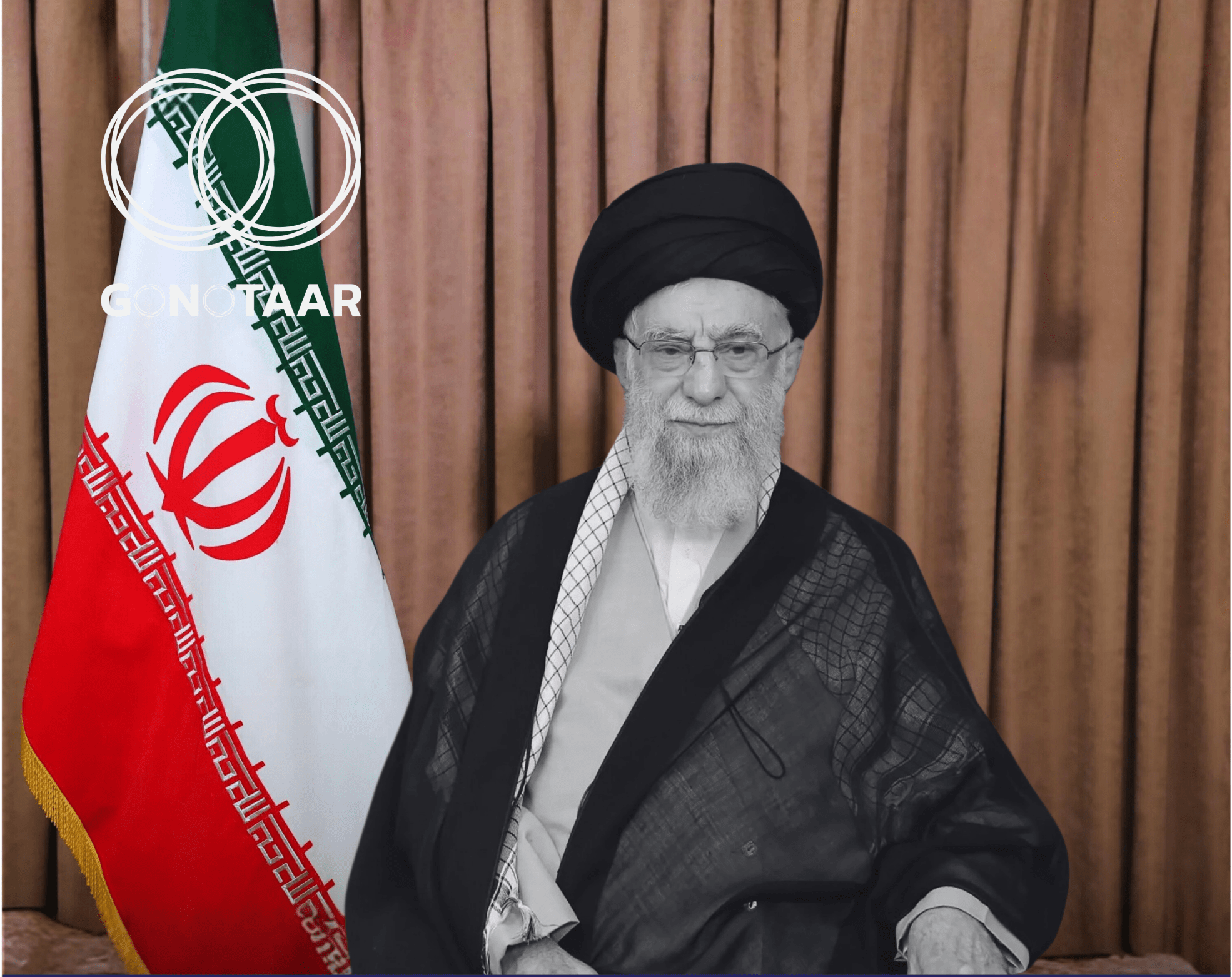
China’s growing partnership with Iran — a vital link in its Belt and Road Initiative — adds further strategic depth to its stance. Tehran’s oil reserves, location near the Strait of Hormuz, and ties with Chinese-led blocs like BRICS and the Shanghai Cooperation Organization have made it an important ally for Beijing.
Although China’s influence in the Middle East remains limited, especially in military terms, it has stepped up diplomatic engagement. Xi’s foreign minister Wang Yi has contacted counterparts in Iran, Israel, Egypt, and Oman, offering to mediate and proposing dialogue on Iran’s nuclear program. Yet critics note that past Chinese efforts in Gaza and elsewhere yielded little progress.
Still, China’s symbolic posture as a mediator may resonate in the Global South, where skepticism toward US dominance is rising. By framing itself as a force for stability while aligning tactically with other powers like Russia and Iran, Beijing continues to sharpen its image as a global counterweight to Washington — even if its practical impact remains uncertain.