By Md. Aziz Al Zarif,
Writer & Activist
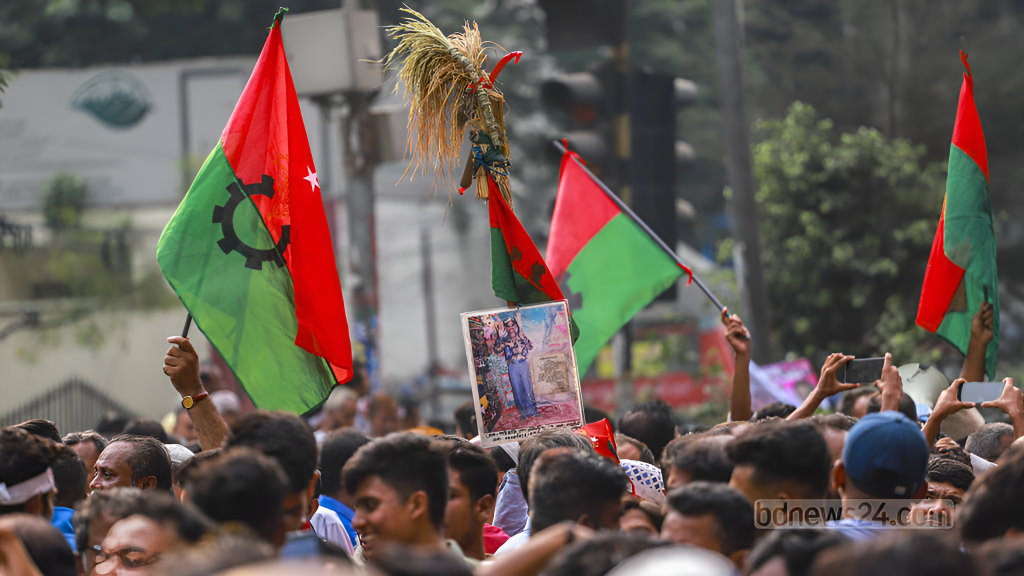
The political landscape of Bangladesh has undergone a seismic shift following the fall of a fascist regime that gripped the nation for over a decade. As the dust begins to settle, a pressing question is now emerging among analysts and citizens alike: Is Bangladesh Nationalist Party (BNP) subtly steering itself toward a centre-left ideological position?
Historically, BNP has been branded as a centre-right nationalist party with conservative undertones—especially due to its past alliances with Islamist parties and emphasis on traditional values. But in the new political era—where authoritarianism has been discredited and civil society is slowly reclaiming its voice—BNP seems to be flirting with a more progressive, people-centric agenda.
In recent months, BNP leadership has made notable rhetorical and strategic shifts. Instead of leaning into reactionary nationalism or anti-India sentiment, the party has increasingly focused on economic justice, electoral reform, decentralization, and civil liberties. These are not just buzzwords—they’re hallmarks of centre-left politics.
.
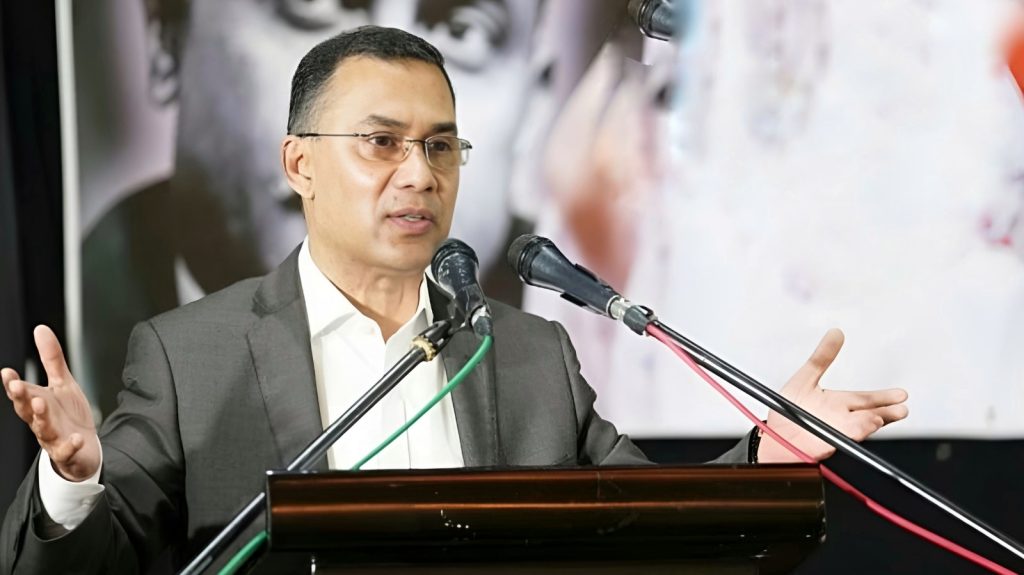
The most significant change, however, is BNP’s apparent break from the politics of revenge which was voiced by its supreme leader, Tarique Rahman, right after the uprising. Instead of calling for retribution against former regime loyalists, BNP has emphasized “national reconciliation” and “restoring democratic institutions”—a pivot from its earlier, more combative tone. Standing Committee Member Amir Khasru Mahmud Chowdhury and Senior Joint Secretary Ruhul Kabir Rizvee have even proclaimed that clean face Awami members can join BNP to rehabilitate themselves in politics. This is reminiscent of centre-left parties in transitional democracies worldwide, which often prioritize rebuilding over retribution. But then again, the grassroots level politics of Bangladesh says otherwise. BNP grassroots workers were so much tortured in the last decade that they are hell bent on vengeance, and such videos have circulated on social media as well. These moves were apparently praised by the people of social media who have no remorse for the fascists.
Jamaat Factor: Pushing BNP Leftward?
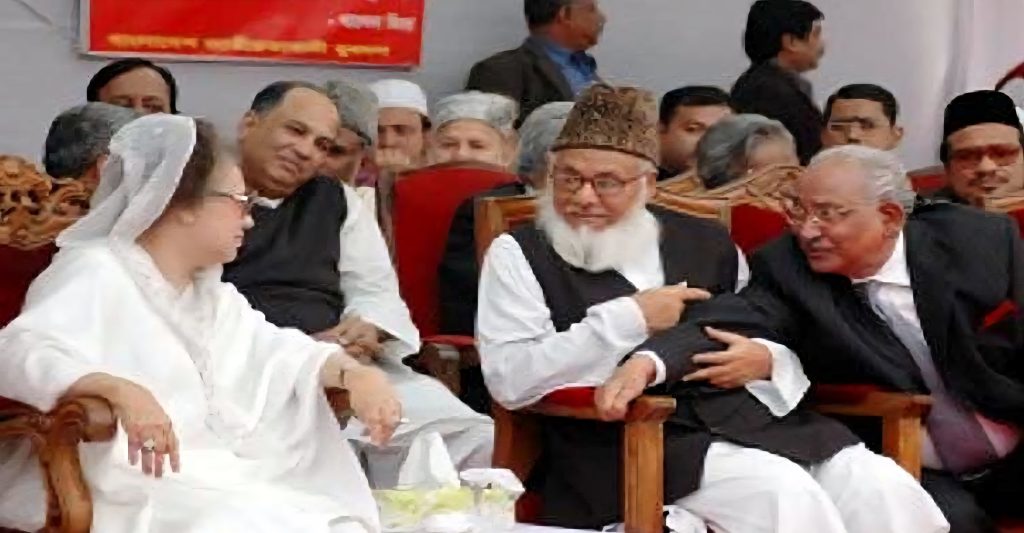
One overlooked but crucial factor influencing BNP’s shift may be the repositioning of Jamaat-e-Islami as the country’s primary far-right opposition force.
With Jamaat shedding its previous political dormancy and attempting to reassert itself as a powerful ideological player, BNP is now facing competition not just for votes—but for ideological relevance. In this new political map, Jamaat is occupying the far-right lane with its uncompromising Islamist rhetoric, traditionalist worldview, and sharp critique of liberal values.
That creates an urgent strategic and ideological dilemma for BNP: compete with Jamaat on the right and risk global and domestic backlash—or carve out a more inclusive, modern, and centre-left identity that appeals to youth, urban voters, and the international democratic community.
By shifting leftward, BNP not only avoids ideological redundancy but also positions itself as the more moderate, reformist alternative—a party that can lead national reconstruction without the baggage of religious extremism.
In essence, Jamaat’s resurgence on the right is accelerating BNP’s transformation toward the centre-left—not necessarily out of moral awakening, but out of political necessity and survival instinct.
Tactical Rebranding or Genuine Transition?
Critics will argue that this is a superficial rebranding—an attempt to occupy the moral high ground in a post-fascist vacuum. And they have a point. BNP still has unresolved tensions within its ranks. The presence of conservative figures and the legacy of controversial alliances still cast shadows. A party cannot simply declare itself centre-left without a fundamental restructuring of its policy platform, leadership accountability, and grassroots engagement.
But political transformation is rarely linear. Parties evolve in response to public mood, historical context, and internal reflection. In a country emerging from the clutches of authoritarianism, even a partial shift can have transformative consequences.
NCP Factor: Redrawing the Ideological Battlefield?
Once seen as a BNP-aligned Islamist party, Jamaat is now operating independently—and increasingly aggressively—in the political field. Simultaneously, the NCP has emerged with populist slogans, digital-savvy propaganda, and a vocal, youth-driven support base. What’s more concerning is the growing closeness between the two parties especially on the issues of election, reforms and the allegations of Jamaat supplying manpower to the newly formed party.
This alliance—formal or informal—between NCP and Jamaat has created a powerful axis that is beginning to dominate political discourse, particularly online.
This new political reality has left BNP with two options:
1. Compete with this far-right bloc by hardening its own positions (and risk global isolation), or
2. Reinvent itself as a democratic, centre-left alternative that appeals to moderate, urban, and progressive voters.
By gradually distancing itself from Jamaat and refusing to echo the ultra-nationalist, socially regressive tone of the NCP-Jamaat discourse, BNP is carving out a more moderate and modern space—one that can credibly speak to a population tired of extremism from both ends of the spectrum.
The Road Ahead
If BNP truly seeks to claim a centre-left identity, it must go beyond rhetoric. That means embracing transparent policymaking, distancing itself from authoritarian relics of the past, and forming alliances based on shared democratic and economic values—not just tactical necessity.
Most importantly, BNP must institutionalize these changes. That includes creating space for dissent within the party, promoting more women and minorities in leadership, and actively participating in dialogue with civil society.
In a political environment where the far-right is reorganizing itself under the banner of Jamaat and NCP, BNP’s potential lean toward centre-left politics could be both a strategic realignment and a democratic imperative. The question is no longer whether BNP can change—but whether it will have the courage to complete that change in time.
In the aftermath of fascism, Bangladesh doesn’t just need another political party. It needs a democratic conscience. Whether BNP can rise to that challenge may well define the next chapter of our nation’s political history.