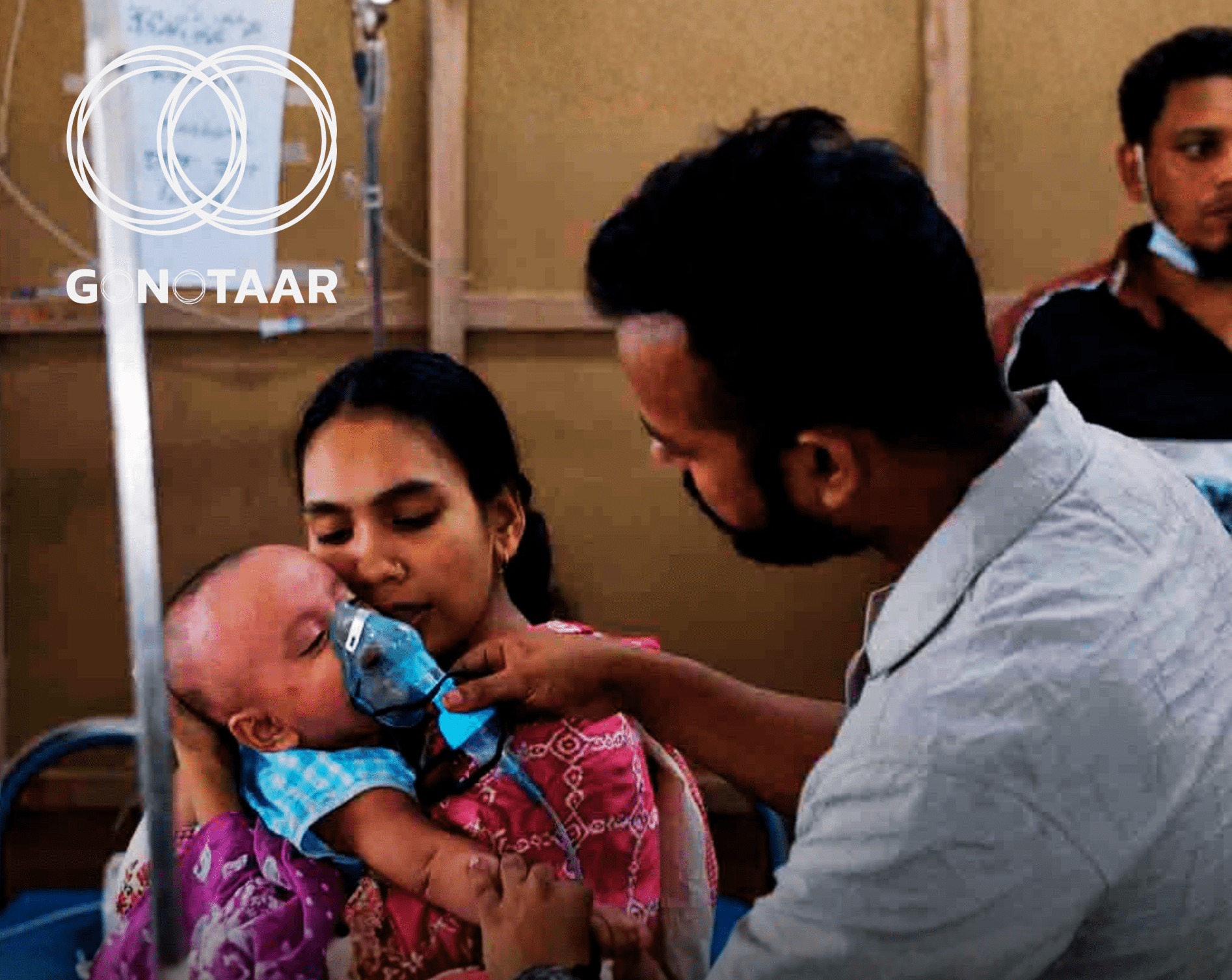
An estimated 92% of children who died from measles in Bangladesh this year had not received a single dose of the measles-rubella (MR) vaccine, according to data presented by Bangladesh at a regional World Health Organization (WHO) expert meeting in Colombo, Sri Lanka.
The findings were shared during the WHO South-East Asia Regional Measles and Rubella Verification Commission meeting, held on June 22–23, where Bangladesh outlined the country’s worsening measles situation and highlighted major gaps in routine immunization.
According to the Directorate General of Health Services (DGHS), 708 people died from confirmed measles or measles-like illness between March 15 and Saturday. Of them, 615 died with measles symptoms, while 93 deaths were laboratory-confirmed as measles. Epidemiologists consider deaths occurring with measles symptoms during an outbreak to be measles-related.
The data presented at the meeting showed that 26% of those who died were infants younger than nine months, making them the most affected age group.
The Bangladeshi delegation was led by Professor Mahmudur Rahman, Chair of the National Verification Committee (NVC) for Measles and Rubella Elimination and former Director of the Institute of Epidemiology, Disease Control and Research (IEDCR). The delegation also included a representative from the Ministry of Health, a pediatric specialist from Dhaka Medical College, and a WHO immunization officer based in Dhaka.
Only 8% of Deceased Children Had Received the Vaccine
Experts at the meeting identified low immunity among children and weaknesses in routine immunization coverage as the primary drivers of the outbreak.
Under Bangladesh’s Expanded Programme on Immunization (EPI), children are scheduled to receive the first MR vaccine dose at nine months and a second dose at 15 months. However, only 8% of the children who died had received any dose of the vaccine, while 92% had never been vaccinated.
“The data presented in Colombo covered the first half of June, showing that 92% of the children who died had not received the measles-rubella vaccine. Even though deaths have now exceeded 700, I believe the proportion of unvaccinated children will remain similar,” said Professor Mahmudur Rahman.
Infants Most Affected
The age-wise analysis presented at the meeting revealed the following distribution of deaths:
- 26% were under 9 months old
- 18% were 2–5 years
- 14% were 9–11 months
- 13% each were 1–2 years and 5–9 years
- 4% were 10–15 years
- 12% were over 15 years
The figures indicate that while young children remain the most vulnerable, older children and adults have also died from measles during the outbreak.
Nearly 100,000 Patients Sought Treatment
During the same period, 98,266 people sought hospital treatment with measles-like symptoms. Among them, 11,594 cases were laboratory-confirmed as measles, while 78,287 patients have since recovered and been discharged.
Experts Criticize Immunization Failures
Public health expert Abu Jamil Faisal blamed serious shortcomings in the national immunization programme.
“Many children were reported as vaccinated without actually receiving the vaccine. The reported immunization success was misleading, statistics were manipulated, and there was little monitoring or accountability. Ultimately, children have paid the price for these failures,” he said.
WHO Calls for Urgent Action
Bangladesh is among several South-East Asian countries, including India, Nepal, Thailand, and the Maldives, currently experiencing measles outbreaks.
Following the regional meeting, the WHO issued a statement on June 25, urging countries across the region to take urgent and targeted measures to contain the spread of measles. The organization also requested permission to send a high-level assessment mission to Bangladesh to evaluate the situation on the ground.
The WHO’s regional verification commission independently reviews measles elimination progress using surveillance data submitted by member states. WHO medical officers stationed across Bangladesh collect weekly data on measles, rubella, and other infectious diseases, which are analyzed as part of the organization’s regional disease monitoring system.