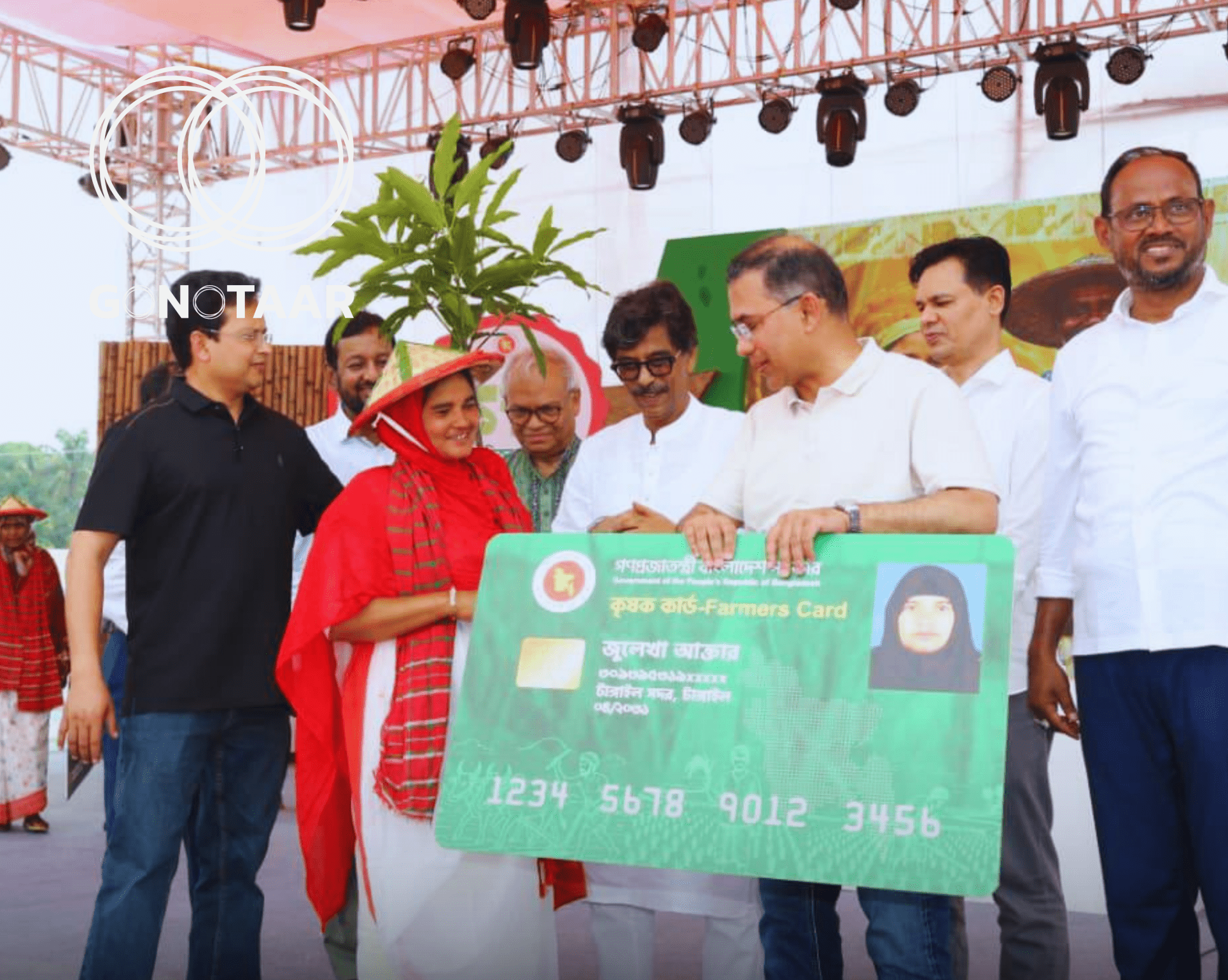
In a significant step towards improving animal health and preventing disease transmission, the International Centre for Diarrhoeal Disease Research, Bangladesh and the Department of Livestock Services (DLS) are working to introduce animal vaccination cards for the first time in Bangladesh.
The initiative aims to strengthen animal health systems, safeguard livelihoods, and reduce zoonotic disease risks across the country.
A review programme on the development of the vaccination card was held at a Dhaka hotel on World Health Day 2026, under the theme “Together for Health: Stand with Science.” The programme marked the final phase of the guideline titled “Guidance for Effective Vaccination Management for Livestock, Poultry and Pets in Bangladesh.”
According to a press release from ICDDR,B, the guideline was developed through consultations with government bodies, the Expanded Programme on Immunisation (EPI), pharmaceutical experts, and animal health specialists.
A System Similar to Human EPI
Under the proposed plan, the animal vaccination card system will function similarly to the country’s human EPI card, supported by a centralised database managed by DLS.
Currently, Bangladesh lacks a coordinated national system for animal vaccination. Key challenges include:
- Low awareness among farmers
- Concerns over vaccine side effects
- Weak cold chain management
- Inconsistent vaccine supply
- Shortage of trained veterinary personnel
Rising Zoonotic Risks
Bangladesh is considered a global hotspot for emerging infectious diseases, with nearly 70 per cent being zoonotic—transmissible between animals and humans.
Factors such as high population density, frequent human–animal interaction, live animal markets, and rapid urbanization continue to increase transmission risks. Recurring outbreaks of anthrax, rabies, and avian influenza further highlight the country’s vulnerability.
How the Vaccination Cards Will Help
The new vaccination cards will record:
- Animal identification
- Vaccination history
- Scheduled doses
This structured system is expected to enable better tracking, improved coordination, and stronger disease surveillance.
The initiative aims to:
- Increase vaccination coverage
- Strengthen outbreak response
- Reduce livestock mortality
- Lower treatment costs
- Improve productivity
- Support safer food systems
Low Coverage Remains a Major Concern
DLS Director (Admin) Bayzer Rahman highlighted the current limitations in the system, stating:
“Our national vaccination capacity for animals is only around 10 percent.
The livestock sector will not reach its full potential without strengthening the vaccination system.”
Although the livestock and poultry sector contributes approximately 1.81 percent to GDP and supports millions of livelihoods, vaccination coverage remains low. Only about 20 percent of rural farmers regularly vaccinate their livestock.
Experts Stress ‘One Health’ Approach
Mahmudur Rahman, founder of One Health Bangladesh, emphasised the broader impact of vaccination:
“Recent outbreaks such as measles and avian influenza demonstrate how gaps in vaccination can put both human and animal health at risk.
Vaccinating animals protects not only animal health but also the environment, food security, and public health.”
He added:
“Strengthening surveillance systems is essential to monitor vaccine effectiveness and respond to emerging threats.”
Sukanta Chowdhury, Scientist and Team Lead of the One Health Research Unit at icddr,b, also highlighted the benefits of the initiative:
“This initiative introduces guidance and vaccination cards to help farmers track vaccinations, improve coverage, and strengthen disease prevention.”
He further noted:
“It will reduce animal mortality and enhance the value of livestock, ultimately benefiting both farmers and consumers.”
The introduction of animal vaccination cards marks a crucial step toward a more coordinated, data-driven, and preventive animal health system in Bangladesh, aligning with global efforts to tackle zoonotic diseases through a unified “One Health” approach.