As part of the National Citizen Party’s (NCP) ongoing July March across Bangladesh, thousands gathered on July 20 at Biplob Udyan in Chattogram. Central leaders including Nahid Islam, Nasiruddin Patwary, Tasnim Jara, Hasnat Abdullah, and Sarjis Alam addressed the rally, alongside local organizers. Among the voices that day, one message in particular drew the attention of many in the crowd—centered around a long-standing issue for Chattogram residents.
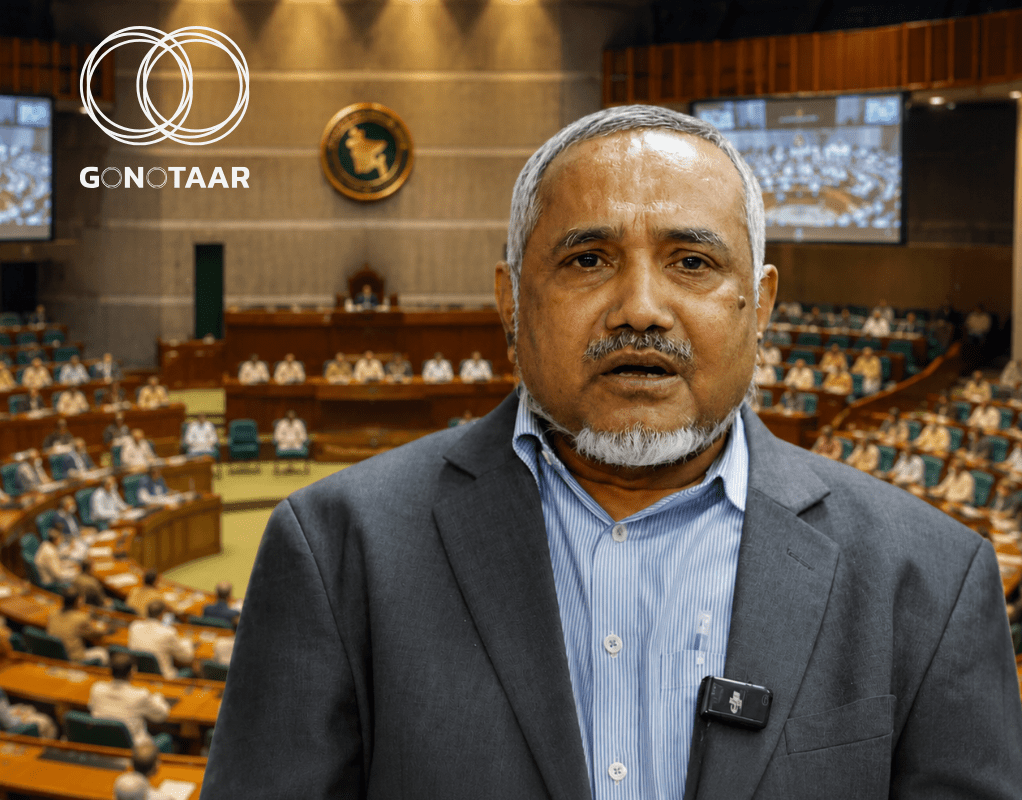
Joint Chief Organizer, Emon Syed raised concerns about how Chattogram shoulders the weight of the nation’s trade infrastructure, yet sees little in return. Speaking firmly but with empathy, he said:
“The government collects hundreds of crores in revenue every year from the Chattogram port. Goods pass through this city to reach the rest of the country, but it’s the people here who deal with the traffic, the pollution, the overburdened infrastructure. Chattogram pays a price every day.”
Calling for a more just arrangement, he made a clear proposal:
“From this very Biplob Udyan, on behalf of the people of Chattogram, I urge the government: allocate 10% of the total annual port revenue to the Chattogram City Corporation. Let that fund be used exclusively for improving the lives of the people who keep this port and this country running.”
While the demand is not new in spirit, its specificity and public framing made it stand out. For many, it echoed a broader feeling of neglect that Chattogram’s citizens have long expressed—of contributing immensely to the national economy while receiving disproportionately little support in return.
Emon Syed also reflected on the broader journey of the July March. He described how, over the past weeks, the party had walked from town to town, speaking directly with everyday people and listening to their struggles.

“We’ve visited homes and heard the stories of pain and struggle from people across Chattogram during this July March. And today, I bring you good news: Insha’Allah, the National Citizen Party will win at least 10 to 12 out of Chattogram’s 16 parliamentary seats.”
As the July March continues toward its final leg, NCP’s presence on the ground—especially in cities like Chattogram—signals its growing attempt to build a connection with voters beyond traditional party lines. Whether these efforts will translate into long-term political traction remains to be seen, but the demand for equity, recognition, and local empowerment is already resonating across the port city.