
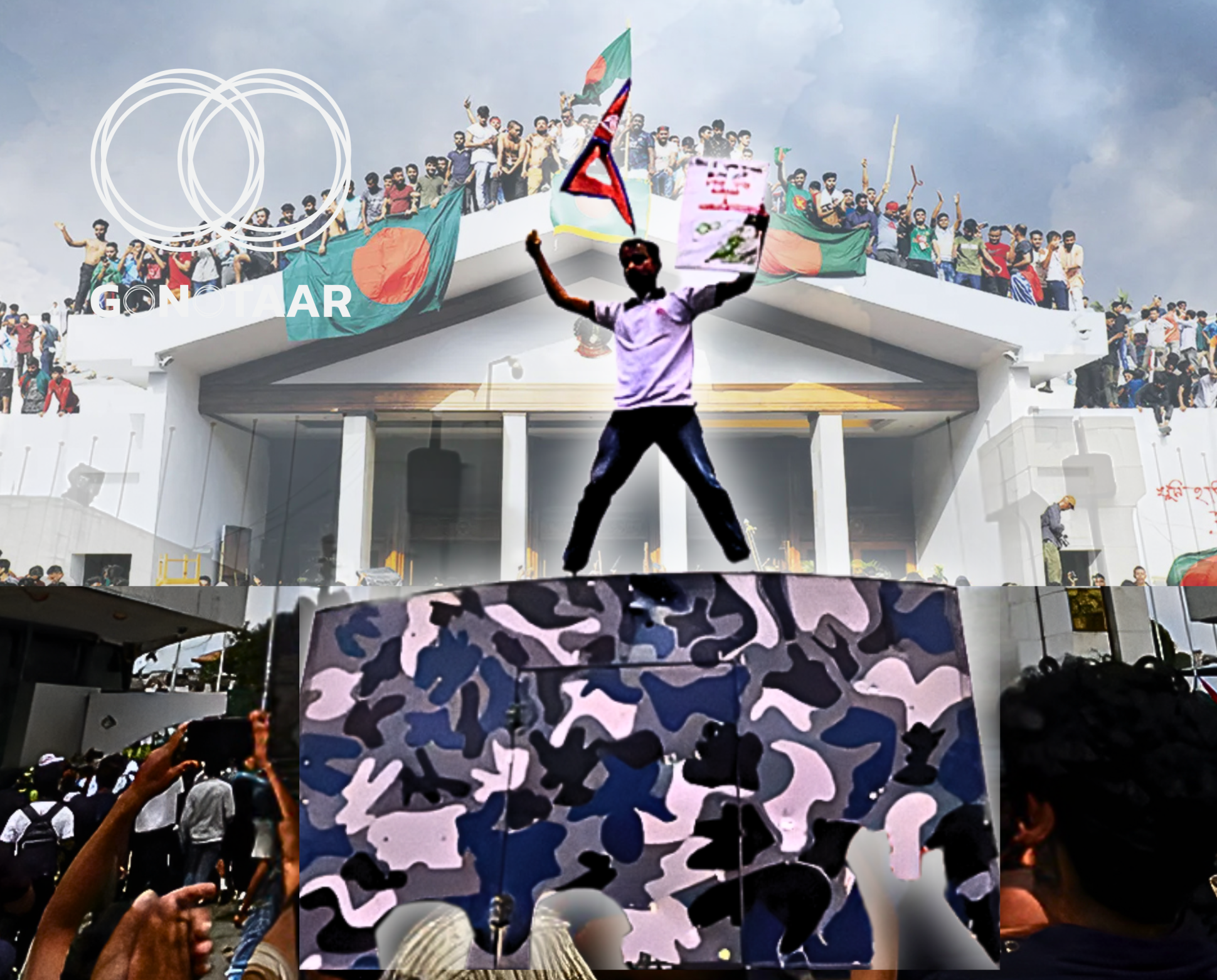
In a remarkable echo of Bangladesh’s July–August 2024 quota protests, Nepal has witnessed a similarly rapid and powerful uprising. Just yesterday, Prime Minister K. P. Sharma Oli resigned after Gen Z–led demonstrations erupted nationwide following a temporary ban on major social media platforms.
Five Parallels: Bangladesh 2024 & Nepal 2025
1. Youth-Led Movements Rising Fast
In Nepal, Generation Z — students and young people — spearheaded the protests, rallying under banners calling for rights, transparency, and end to corruption. The nationwide ban on 26 social platforms became a tipping point.
This closely mirrors Bangladesh’s 2024 student-driven movement against the 30% quota for descendants of freedom fighters—initially a niche demand that snowballed into a broader revolt against systemic favoritism.
2. A Minor Policy Sparks Massive Rebellion
Nepal’s ban on platforms such as Facebook, Instagram, X, and YouTube—intended to enforce registration rules—triggered protests that spread quickly across the nation. TikTok, having complied, became a critical organizing tool.
Similarly, Bangladesh’s reinstatement of quota policy acted as a small policy shift in a larger ecosystem of frustration — igniting nationwide protests.
3. Lives Lost, Grief Amplifies the Movement
Nepal’s crackdown resulted in 19 people killed and many injured within mere days of unrest, further fueling national outrage.
Bangladesh’s protests were far bloodier: possibly up to 1,500, people were killed, including children. Opposition estimates and reports pointed to massive casualties, targeting protesters, bystanders, medical professionals, and even security personnel.
4. Protesters Target Symbols of Power
Young Nepalis protested by storming government buildings and residences—including the prime minister’s home—forcing evacuations and prompting ministerial resignations.
In Bangladesh, protestors similarly surrounded and damaged key government sites like Ganabhaban and Parliament, rallying against the entrenched regime.
5. Regime Collapse with Military Intervention
In Nepal, the army chief reportedly advised Oli to resign as the government sought to deploy military assistance. Shortly after, his resignation followed.
Bangladesh’s army also played a decisive role: the army chief reportedly told Sheikh Hasina to step down and evacuate, leading to her departure in August 2024.


