The Bangladesh Nationalist Party (BNP) is seeking to bring the National Citizen Party (NCP)—formed by student leaders of the July Uprising—into its electoral alliance ahead of the upcoming parliamentary election. According to insiders, while talks between the two parties have progressed, no formal agreement has yet been reached. However, BNP’s priority is clear: if they cannot secure NCP as an ally, they at least want to keep the new party away from Jamaat-e-Islami.
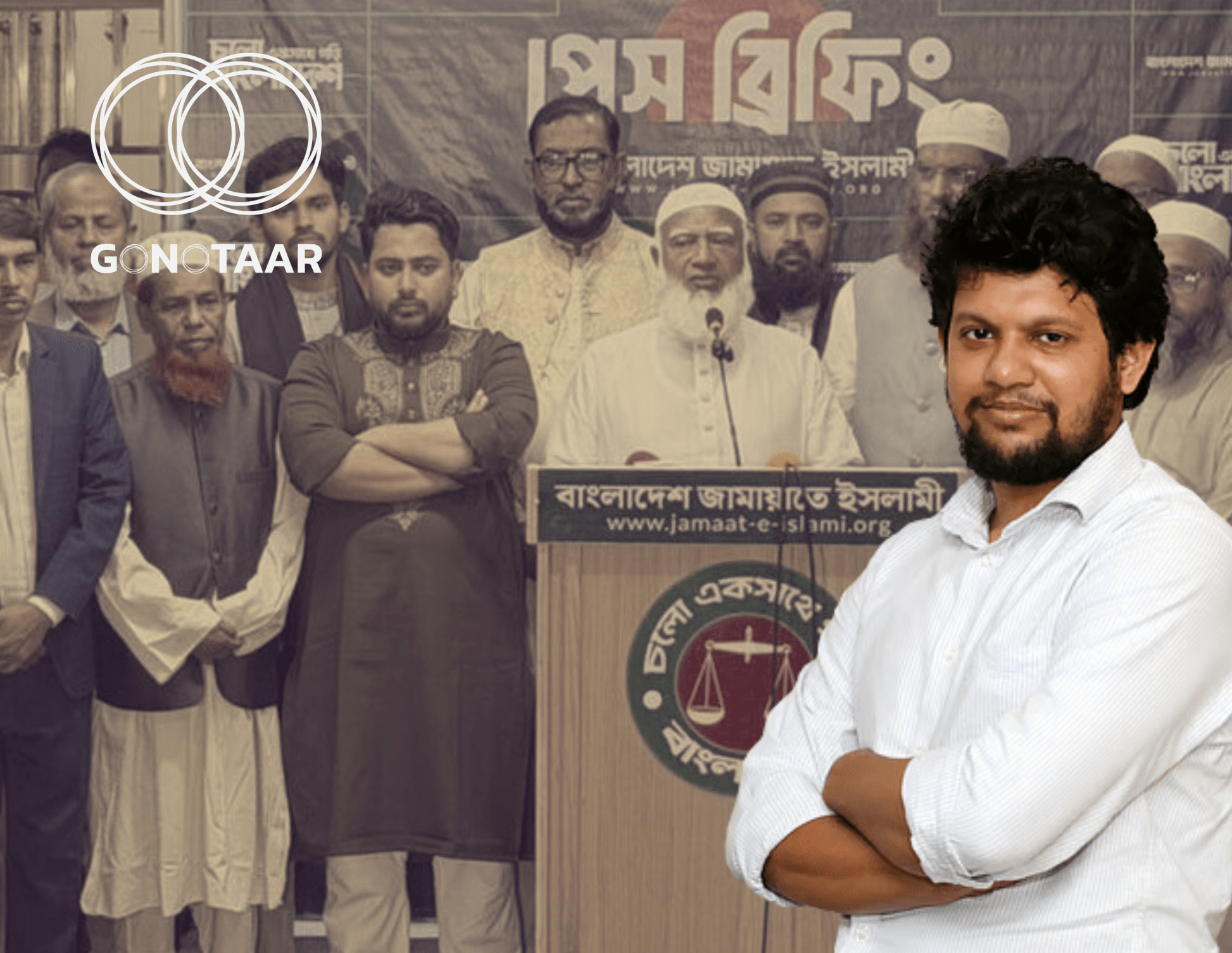
Meanwhile, Jamaat has also expressed interest in forging an electoral understanding with NCP to retain the emotive wave of the July Uprising on their side. NCP leaders say Jamaat has offered extensive seat concessions and full electoral support, but many within the party fear being tagged as “right-wing” if they align with Jamaat. On the other hand, BNP is unwilling to offer as many seats, raising concerns about whether an alliance with them will translate into tangible support on the ground.
BNP–NCP Alliance Under Discussion
In a recent interview with the Financial Times, BNP’s Acting Chairman Tarique Rahman said the party was “ready to form a government with other forces,” mentioning explicitly the student leaders who had been at the forefront of last year’s uprising. His remarks have intensified speculation about a BNP–NCP electoral understanding.
BNP Standing Committee member Salahuddin Ahmed confirmed that BNP is in “regular communication” with anti-fascist parties, including NCP. “There’s no formal seat-sharing discussion yet,” he said. “When the election comes closer, possibilities may open up.”
NCP’s Chief Coordinator Nasiruddin Patwary also acknowledged informal political discussions but denied any final decision on seat-sharing or alliance formation.
Jamaat Offers Seats — But with a Tag
Jamaat has shown a strong interest in striking an understanding with NCP and has reportedly offered 50 to 60 constituencies, along with full organizational and financial support. NCP leaders admit this offer is strategically significant but fear that an alliance with Jamaat could damage their image as a youth-led, centrist movement.
Adviser Mahfuz Alam, an influential figure in the party, has publicly opposed aligning with Jamaat, warning against becoming “just another Maududist faction.” This internal division has complicated negotiations further.
Jamaat leaders, meanwhile, have rejected proposals to make NCP Convener Nahid Islam the leader of a joint opposition bloc—a position similar to Dr. Kamal Hossain’s in 2018. “Jamaat will not hand over leadership,” a senior leader told Samakal, noting that Jamaat’s strong organizational base makes them unwilling to accept a junior role.
BNP Fears Rebel Candidates
A key concern for NCP is whether BNP’s grassroots will actually support NCP candidates if seats are allocated to them. Even if BNP agrees to a deal at the central level, local leaders might field independent candidates. Recent changes to election laws mean that candidates from one party cannot contest under another party’s electoral symbol. If NCP runs under its own symbol, it risks facing BNP-backed independents in critical constituencies, making the contest more difficult.
Strategic Battle for Influence
Both BNP and Jamaat recognize NCP’s symbolic weight. Although NCP has a limited organizational base, internal surveys suggest the party commands 3–4% popular support, largely driven by the spirit of the July Uprising. Jamaat believes bringing NCP on board would prevent this emotional vote from shifting to BNP.
To strengthen its bargaining position, NCP has also been in touch with smaller parties such as Gana Odhikar Parishad, AB Party, and various Islamist groups close to Hefazat-e-Islam. Hefazat’s leadership has historically opposed Jamaat, but both BNP and NCP are keen to court their support to access the influential Qawmi madrasa voter base.
A Calculated Tug of War
As the February election approaches, the political tug of war over NCP is intensifying. For BNP, NCP represents an opportunity to broaden its anti-regime coalition while weakening Jamaat’s negotiating power. For Jamaat, NCP is a vehicle to retain revolutionary emotions on their side.
The coming weeks will determine whether NCP chooses a formal alliance with either of the two major Islamist-aligned blocs, or maintains an independent path while negotiating tactical seat-sharing deals to ensure parliamentary representation.