A special ‘Family Card’ programme is being launched on a pilot basis for women-led households across the country. Under the initiative, each beneficiary family will receive Tk 2,500 per month. The allowance will be deposited according to the beneficiary’s preference, either through a mobile wallet or a bank account, enabling them to receive the funds from home.
Prime Minister Tarek Rahman will formally inaugurate the Family Card programme at 10:00 am on Tuesday (March 10) at the T&T playground in Banani (adjacent to Korail slum). The information was disclosed at a press conference organised by the Ministry of Social Welfare at the Secretariat on Monday.
Pilot Implementation
In the first phase of the pilot programme, the Family Card initiative is being implemented in 15 wards across 13 city corporations/unions in 13 districts. During the pilot phase, data were collected from 67,854 women-headed families nationwide.
During the verification process, information from 51,805 extremely poor, poor, and lower-middle-income households was reviewed, of which 47,777 households were found to have accurate data.
Following the removal of cases involving double-dipping (receiving multiple allowances by the same person), government employment, pensions, and similar disqualifications, a total of 37,567 women-led families were finally selected to receive the allowance, according to a government information statement issued on Monday (March 9).
Features of the Family Card
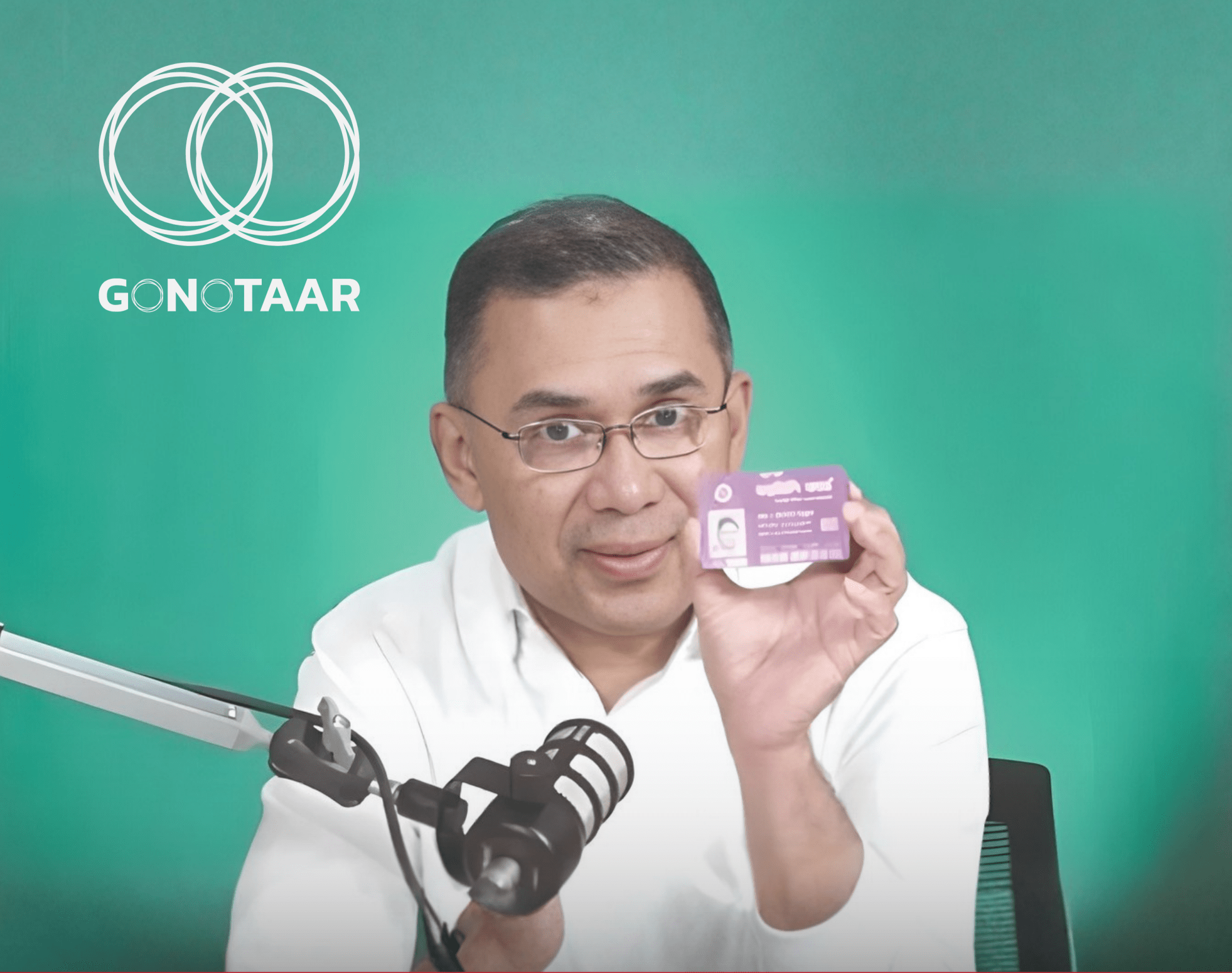
Under the programme, each woman-led household will receive one modern Family Card. The card will contain a contactless chip and incorporate QR code (including barcode data) and NFC (Near Field Communication) technology.
Each card will cover a family of up to five members. However, in the case of joint or extended families with more than five members, the possibility of issuing multiple cards proportionately will be considered.
Beneficiaries will receive Tk 2,500 per month, and the government will later consider providing food assistance of equivalent value.
Eligibility Conditions
During the pilot phase, a family will not be eligible for the allowance if any member receives salary, allowance, grants or pension from the government, autonomous, or state-owned institutions. Similarly, if the female head of the household is employed as a teacher or staff member in an MPO-listed institution, the family will not qualify for the benefit.
Digital Payment System
The allowance will be transferred directly to the beneficiary’s mobile wallet or bank account, depending on her preference. Information regarding beneficiaries’ mobile wallets or bank accounts was collected during the data-gathering phase.
For the pilot phase of the programme, the government has allocated Tk 38.07 crore until June 2026. Of this amount, Tk 25.15 crore (66.06%) will be distributed as direct cash assistance, while Tk 12.92 crore (33.94%) will be used for programme implementation, including data collection, development of an online system, and card preparation.
Minister’s Statement
Meanwhile, Finance Minister Amir Khasru Mahmud Chowdhury claimed that no political bias was involved in selecting the beneficiaries of the Family Card programme.
He said:
“The list of beneficiaries for this programme has been prepared through a transparent and independent process.”
“The government is working to deliver economic benefits directly to people’s homes. We have long said that the benefits of Bangladesh’s economy must reach every household.”
“But in reality, achieving this is not easy. Considering the country’s economic capacity, undertaking a large social programme is also not simple.”
The finance minister added:
“In the first phase, extremely poor and low-income families will be brought under this benefit. Later, there is a plan to gradually include all women-led households in the country.”
“Ensuring transparency in the implementation of the project has been given special importance. The project is linked to a significant portion of Bangladesh’s budget. Therefore, from the planning stage, we have worked extensively on how to manage the expenditure.”