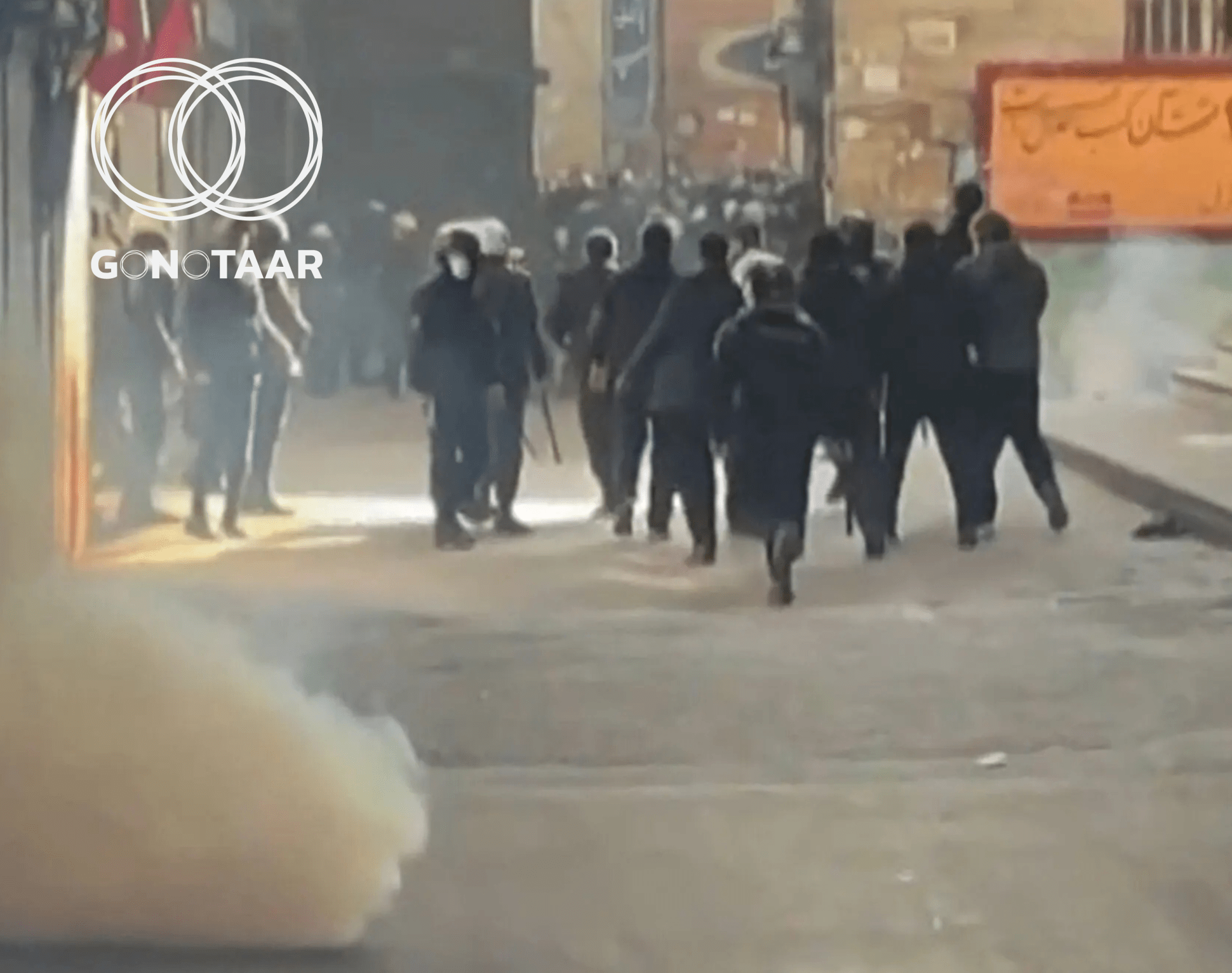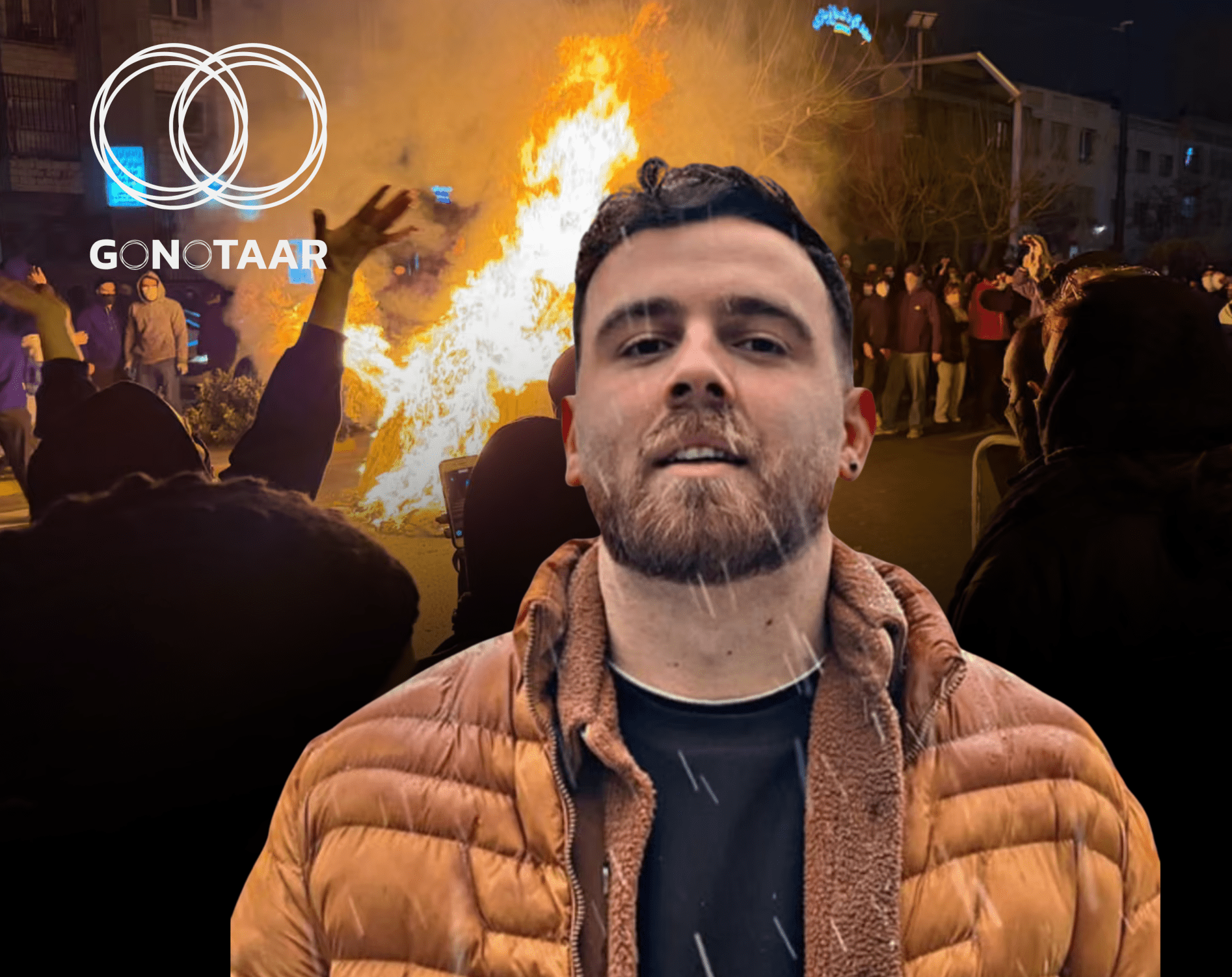
In a dramatic turn of events, the Iranian government has suspended the scheduled execution of 26-year-old protester Erfan Soltani. The move comes after intense international condemnation and a series of stern warnings from U.S. President Donald Trump, who suggested that military intervention was on the table if the killings of protesters continued.
A Last-Minute Reprieve
Erfan Soltani, a clothing shop employee arrested last Thursday in Karaj, was due to be executed yesterday, Wednesday. His family, who had been granted a mere 10-minute “final farewell” earlier in the week, were reportedly notified by prison authorities via telephone that the sentence had been postponed.
While the Iranian judiciary has not provided a formal reason for the stay, the decision follows a wave of diplomatic pressure and an internet-driven campaign that turned the young man into a global symbol of the current uprising.
“No Plan for Hanging”: Iran’s Shift in Tone
The suspension of the execution coincides with a notable shift in rhetoric from Tehran. Iranian Foreign Minister Abbas Araghchi, in an interview with international media, denied that there were any immediate plans for executions.
“Hanging is out of the question,” Araghchi stated, insisting that the situation in the country is “under control.” This follows claims from the Iranian judiciary that Erfan Soltani has not been sentenced to death, but rather faces charges of “colluding against internal security,” which do not carry the death penalty under current review.
Trump Claims Assurances Received
U.S. President Donald Trump told reporters at the White House that he had received word from “very important sources” that the killings in Iran were stopping.
“There’s no plan for executions… I’ve been told that on good authority,” Trump said. “If it happens, we’ll all be very upset, but they’re not going to have an execution.”
The President’s comments followed a strategic move by Washington to withdraw some non-essential personnel from the Al Udeid Air Base in Qatar—the largest U.S. military facility in the Middle East—as a “precautionary security measure” amid fears of a direct confrontation.
Uncertainty Remains for Families
Despite the suspension, the atmosphere in Iran remains tense. Human rights organizations, including Amnesty International and Iran Human Rights (IHR), warn that the reprieve for Erfan Soltani may only be temporary. They estimate that over 2,500 people have died and 18,000 have been detained since protests began on December 28.
For Erfan’s relative, Somayeh, the news is a relief but the fear remains. “I can’t stop thinking about him. This uncertainty is killing me,” she said, reflecting the anxiety of thousands of families across Iran.