
If you scroll through your social media feed today, the digital space is a sea of black-and-white portraits and burning candles. One week since the tragic passing of Sharif Osman Hadi, the “July warrior” and spokesperson for Inqilab Moncho, the national outcry shows no signs of waning. Hashtags like #JusticeForHadi continue to trend, and profile pictures of the independent candidate for Dhaka-8 dominate our screens.
The grief for Sharif Osman Hadi is legitimate. His assassination was a cold-blooded strike against a rising voice of the youth. But as the algorithm of our collective empathy keeps Hadi’s memory at the top of our feeds, it has simultaneously buried another victim in the silent archives of “unimportant” tragedies.
His name was Siam. He was the son of a rickshaw puller. He died two days ago, on December 24.
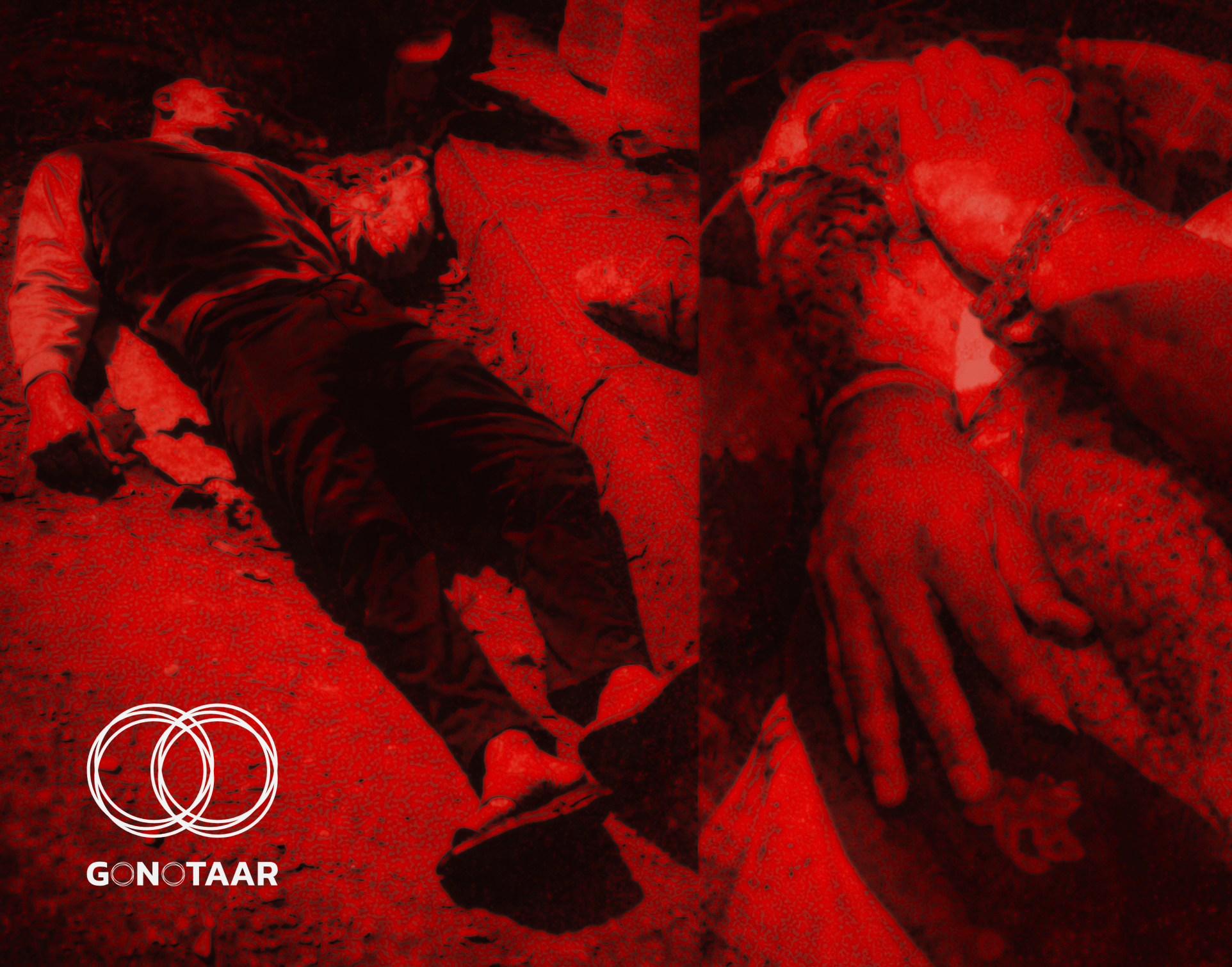
While the nation was still sharing footage of Sharif Osman Hadi’s funeral at the National Parliament, a crude bomb was hurled in a crowded street. It fell directly onto Siam’s head, detonating on impact and effectively blowing his brain out.
There were no air ambulances for Siam. There was no call from the Chief Adviser to his father. There was no burial beside the National Poet. Within 24 hours, the news of his death had already begun to fade, replaced by the next update on the high-profile investigation into Hadi’s murder.
The tragedy is that both Sharif Osman Hadi and Siam appear to be victims of the same coordinated campaign. Evidence and political analysis suggest that both killings were acts of election sabotage.
Over the last few months, the Awami League has been linked to a desperate resurgence of street terror. From the burning of buses—including vehicles from Victor Paribahan and Akash Paribahan—to the systematic use of “cocktails” (crude bombs) in densely populated areas of Dhaka, the pattern is clear. These are not random crimes; they are tactical strikes designed to instill fear and derail the democratic process.
The irony in our selective pursuit of justice is found in the logistics of the crimes.
The hunt for Hadi’s killers has become an international pursuit. The prime suspect, former Chhatra League leader Faisal Karim Masud (alias Daud Khan), along with his associate Alamgir Hossain, has reportedly fled to Guwahati, India. They are allegedly being sheltered there under the supervision of Md. Masudur Rahman Biplob, the Personal Secretary to Awami League leader Jahangir Kabir Nanak. Bringing them to justice requires complex diplomatic pressure and extradition treaties.
In contrast, the criminals who killed Siam with a crude bomb are likely still hiding in the alleyways of Dhaka. They are not high-profile fugitives with international safe houses; they are the local foot soldiers of political “hit teams.” Theoretically, it should be much easier for law enforcement to track them down.
Yet, without the pressure of a viral hashtag or the weight of a famous name, the search for Siam’s killers lacks the same urgency.
When we demand justice only for those whose names we know, we create a hierarchy of human life. If the blood of a rickshaw puller’s son is considered “collateral damage” while the blood of a political leader is a “national tragedy,” we are failing the very principles of equality that fueled the July Revolution.
The “Algorithm of Empathy” is a mirror of our own biases. It tells us that some deaths are significant enough to stall a nation, while others are just statistics. If we are to build a truly just Bangladesh, we must break this cycle.
Siam’s father, navigating the streets in his rickshaw, deserves to know that his son’s life mattered just as much as Sharif Osman Hadi’s. Justice must not be a privilege reserved for the influential—it must be a right for every Siam in this country.
This is an editorial for Gonotaar. We demand justice for Sharif Osman Hadi, and we demand justice for Siam.