
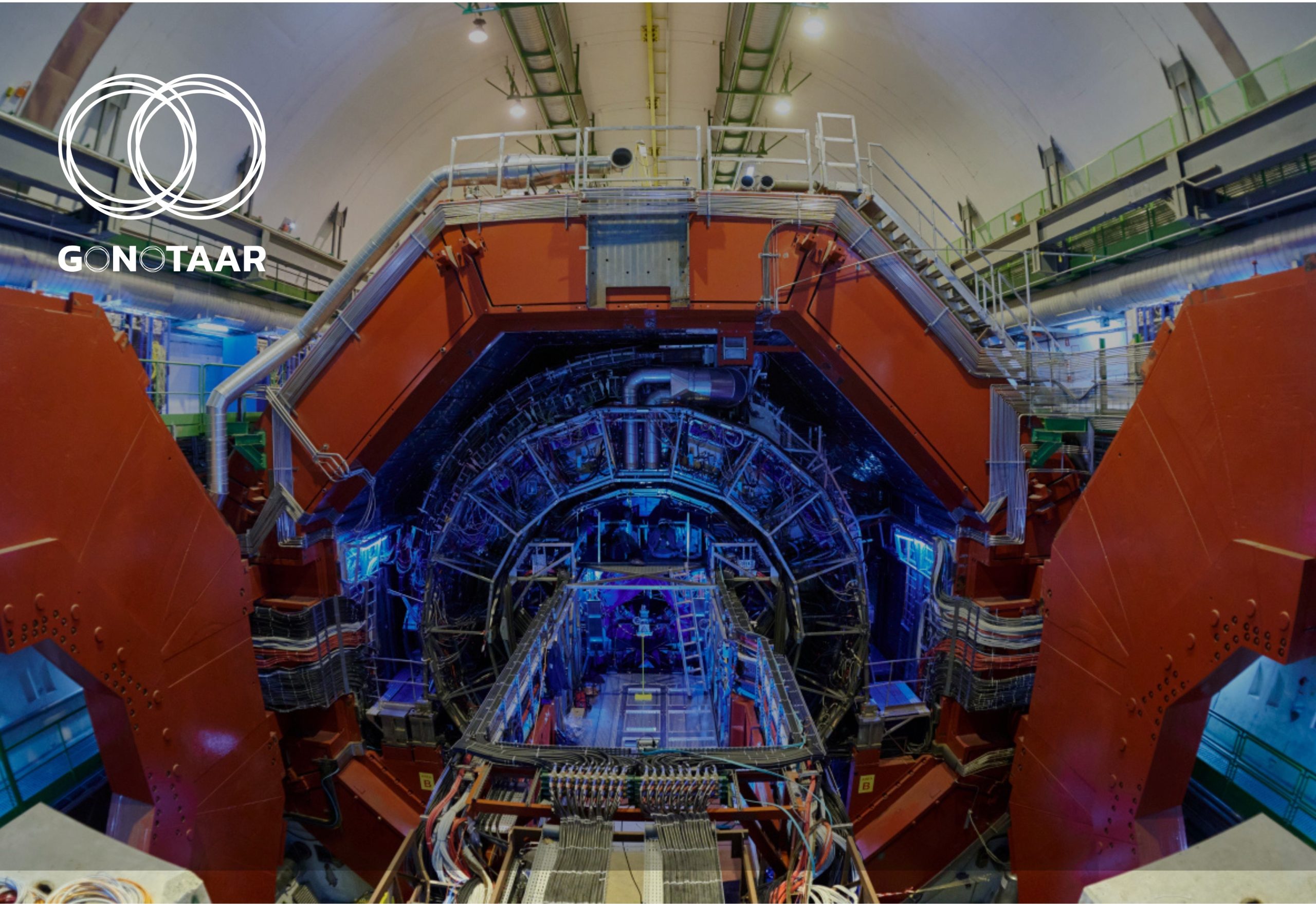
In a remarkable scientific milestone, physicists at CERN’s Large Hadron Collider (LHC) have succeeded in transforming lead into gold, momentarily actualizing a pursuit that has captivated alchemists and visionaries for centuries. This groundbreaking experiment produced a minute trace of gold that lasted just a nanosecond, symbolizing both a technological triumph and a conceptual leap into modern alchemy.
The transformation occurred during the LHC’s second operational run (2015–2018), where researchers observed that near-miss collisions of lead nuclei resulted in the ejection of three protons, effectively converting some lead atoms into gold nuclei. Approximately 86 billion gold nuclei were produced, amounting to just 29 picograms—far too little for practical use but a monumental achievement in nuclear physics.
This experiment not only demonstrates the capabilities of modern particle accelerators but also provides insights into the processes that occur in extreme astrophysical environments, such as neutron star mergers. The findings aid physicists in exploring nuclear structures and improving particle beam stability for advanced research.
While the dream of medieval alchemists has technically come true, the hopes of riches have once again been dashed. The gold produced existed for only a fleeting fraction of a second before disintegrating, making it scientifically notable but economically insignificant.
This achievement underscores the importance of continued investment in fundamental research, as such advancements not only satisfy human curiosity but also pave the way for future technological innovations.


