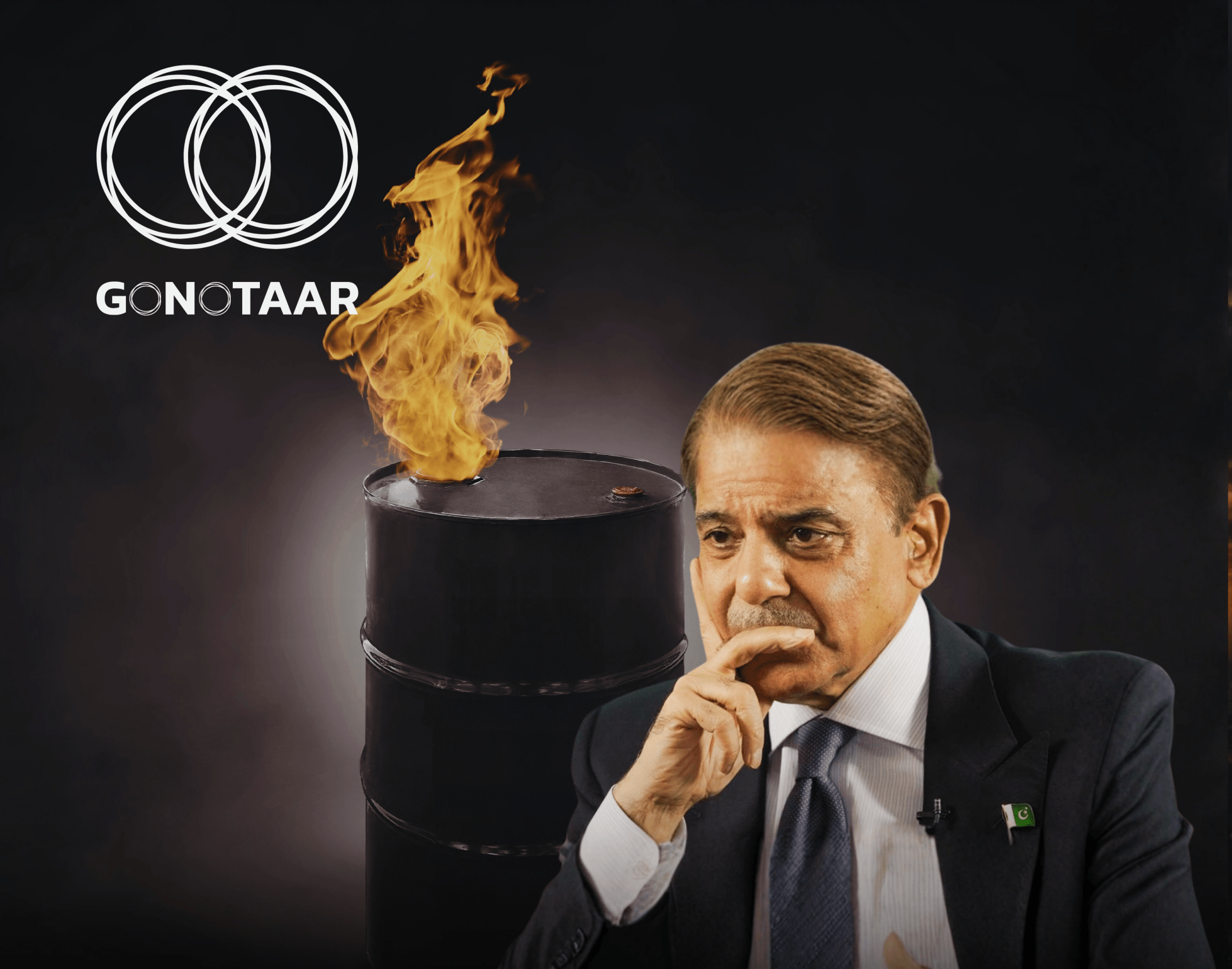
Pakistan has unveiled a ‘wartime austerity plan’ in response to looming energy shortages, as tensions in the Middle East add pressure to the country’s energy supply. The decision was announced by Prime Minister Shehbaz Sharif on Monday night, according to the Pakistani newspaper Dawn.
Under the new plan:
- All government offices will operate four days a week. However, extra leave will not be accepted by banks. Essential services such as agriculture, industry, hospitals, and ambulance services are exempted.
- Schools and colleges will remain closed for the next two weeks, while higher education institutions will continue online classes.
- The government has ordered that 50% of employees in public and private institutions work from home, except those in essential sectors like agriculture and industry.
- For the next two months, all government and official vehicles (except ambulances and public transport) will receive 50% less fuel allocation.
Key financial measures include:
- All members of parliament will face a 25% salary cut.
- Government employees in grades 20 and above, earning over PKR 300,000 monthly, will lose two days’ pay.
- Government departments and institutions will reduce their expenditures by 20%.
- Federal ministers, advisors, and special assistants will not receive salaries for the next two months, and all foreign travel by federal and provincial officials is completely banned.
Commenting on the plan, Prime Minister Shehbaz Sharif said:
“Pakistan relies heavily on oil and gas from the Gulf region. Considering this reality, the government has taken these tough but necessary measures for the economy.”
The government stressed that these austerity measures are part of a broader effort to protect Pakistan’s economy and ensure energy availability during a global crisis.