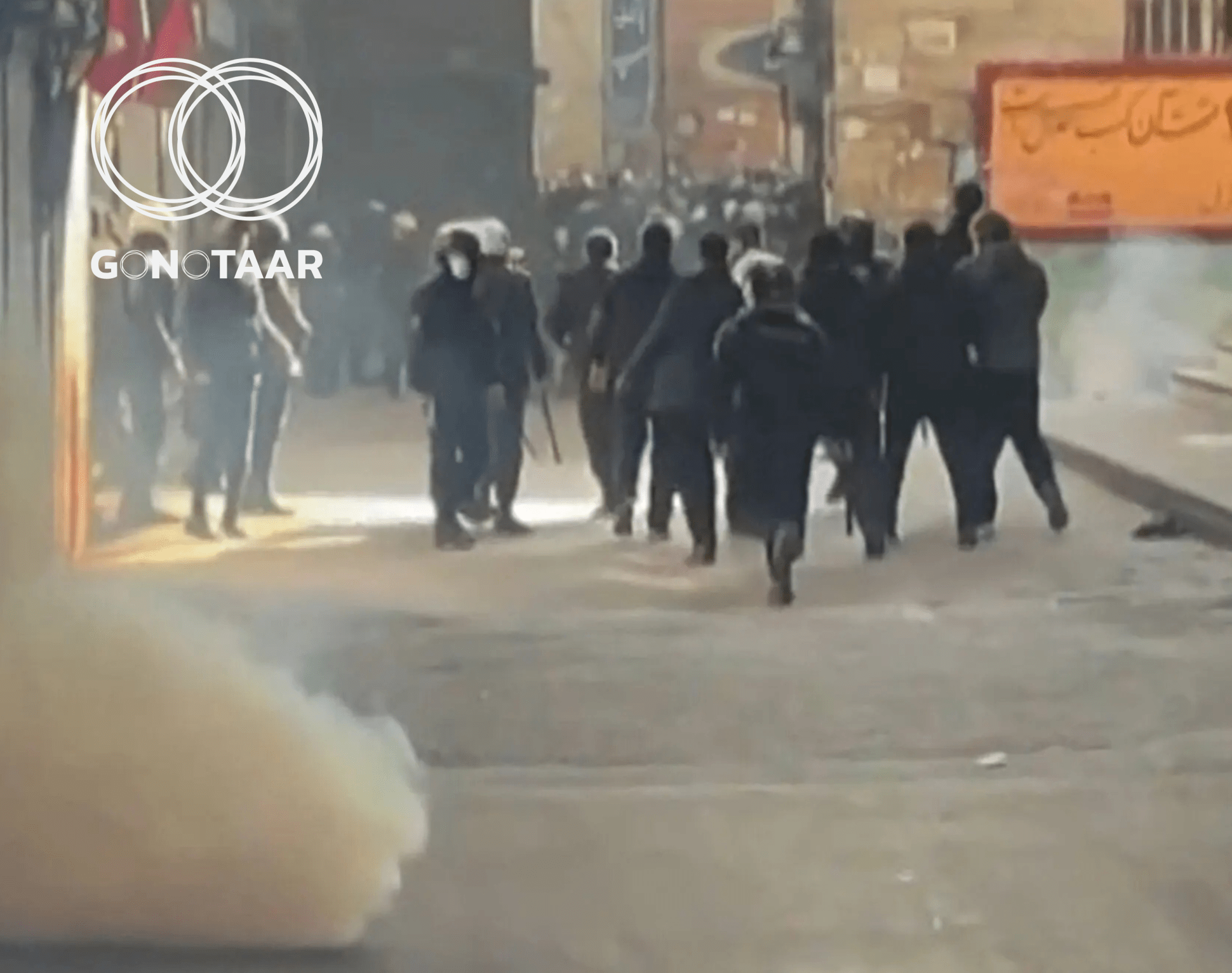
The death toll in Iran’s nationwide uprising has surged to at least 45 people, including eight children, as security forces intensify their crackdown on demonstrators, according to the latest report from Iran Human Rights (IHR).
The Norway-based NGO confirmed on Thursday that Wednesday, January 7, was the “bloodiest day” since the unrest began, with 13 fatalities recorded in a 24-hour window. The protests, which were initially sparked on December 28, 2025, by a collapsing economy and the plummeting value of the rial, have now expanded to all 31 provinces, evolving into a widespread movement against the clerical government.
Discrepancies in Casualty Counts
While IHR has verified 45 deaths, other monitoring groups provide slightly different figures based on their verification processes:
- HRANA (Human Rights Activists News Agency): The US-based agency reports 42 deaths, comprising 34 protesters and 8 members of the security forces.
- Amnesty International & Human Rights Watch: In a joint statement, these organizations documented 28 deaths occurring specifically between December 31 and January 3, warning that the actual toll is likely much higher due to the current “information fog.”
- State Media: Official Iranian sources have acknowledged approximately 21 deaths, often attributing them to “foreign-backed rioters” or “terrorist elements.”
Escalating Violence and “Military Weapons”
Mahmood Amiry-Moghaddam, director of IHR, warned that the scope of the crackdown is becoming “more violent and extensive every day.” Reports indicate that security forces—including the Islamic Revolutionary Guard Corps (IRGC) and police special forces—are using live ammunition, AK-47 rifles, and shotguns loaded with metal pellets.
The most severe repression has been recorded in the western provinces of Lorestan and Ilam, home to ethnic Kurdish and Luri minorities. In Malekshahi, Ilam, eyewitnesses reported security forces firing directly into crowds and later raiding Imam Khomeini Hospital to arrest injured protesters and seize the bodies of the deceased to prevent public mourning ceremonies.
International and Domestic Reaction
The Iranian government has responded with a total internet blackout, severely hampering the flow of information. Despite this, millions have reportedly taken to the streets. President Masoud Pezeshkian has called for “maximum moderation” and ordered an investigation into the hospital raids in Ilam, though Supreme Leader Ali Khamenei has maintained a harder line, stating that “rioters should be put in their place.”
Internationally, the crisis has drawn sharp condemnation. The United Nations has urged Iranian authorities to uphold the right to peaceful assembly, while several countries have warned of diplomatic consequences if the lethal use of force continues.