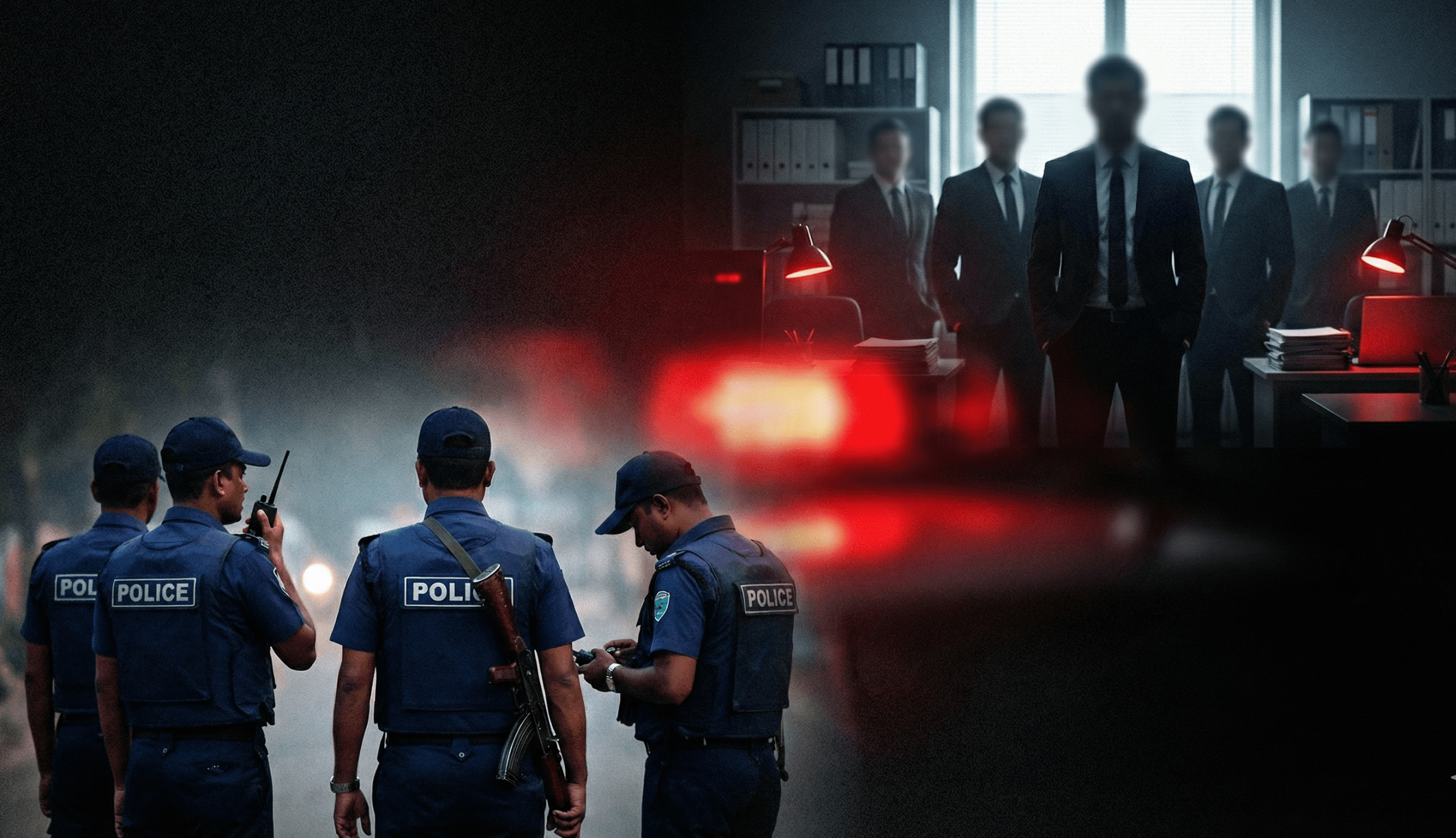
Hopes for an independent and effective Police Commission in Bangladesh, intended to restore discipline and accountability within the police force following the July Mass Uprising, are facing significant hurdles due to alleged bureaucratic interference. The latest draft of the Police Commission Ordinance, 2025, has been substantially altered from the initial recommendations, prompting fears that the commission will be rendered “toothless and clawless.”
Key Recommendations Removed
A committee led by Law Advisor Professor Asif Nazrul drafted the initial proposal for the commission. However, sources indicate that key recommendations were dropped after the draft was sent from the Law Ministry to the Ministry of Home Affairs.
The most crucial changes include:
- IGP Appointment: The proposal to empower the Commission to recommend a panel of three names for the Inspector General of Police (IGP) appointment has been removed.
- Transfer, Promotion, and Posting: The authority for appointments, transfers, and promotions will remain with the Ministry of Home Affairs, not the independent Commission.
- Statutory and Independent Status: The initial proposal for a ‘statutory, independent, and neutral Police Commission’ was reportedly absent from the revised draft.
The proposal to keep the police under the Ministry of Home Affairs essentially serves to dilute the Commission’s power, a move largely attributed to objections from administrative officials (Amalas).
Frustration Among Police Leadership
Inspector General of Police (IGP) Baharul Alam openly expressed his disappointment with the process.
“What is happening with the Police Commission is very frustrating… A big opportunity was created this time to bring the police into the fold of transparency, but the formation of the Police Commission has become uncertain, just like before,” IGP Baharul Alam told Prothom Alo, adding that a commission without effective authority would never be able to free the police from political influence.
Law Advisor Professor Asif Nazrul previously spoke about the “intense opposition” from the bureaucracy when the law was sent to the inter-ministerial committee, specifically regarding the proposed IGP appointment mechanism.
Revised Composition and Status
The revised draft also proposes changes to the Commission’s structure and status:
- Membership: The initial proposal for a nine-member commission, headed by a retired Appellate Division judge, has been reduced to a seven-member body in the revised draft.
- Status Downgrade: The proposed high status—where the Chairman would hold the rank of an Appellate Division judge and members the rank of a High Court judge—was removed. The revised draft states that the government will determine the status of the Chairperson and members.
- Selection Committee: Questions have been raised about the neutrality of the member selection process, as the Home Minister is set to chair the committee responsible for choosing the Commission’s members in both drafts.
Political Opposition and Delay
The Police Commission Ordinance, 2025, draft was presented at a special meeting of the Interim Government’s Advisory Council yesterday, Saturday, but was not approved. The Council requested that the Ordinance be submitted at a subsequent meeting with more details and amendments.
Just the day before, on Friday, BNP Secretary General Mirza Fakhrul Islam Alamgir issued a statement demanding the government refrain from passing the amended draft. He stated that hastily passing such significant laws (including the Police Commission and NGO-related laws) without a public mandate, especially before the election, is injudicious and could obstruct the path to democratic transition.
Retired police officials have warned that excluding powers for appointment, promotion, and posting—all critical areas susceptible to political and bureaucratic influence—will result in a “nominal and showpiece” commission that fails to deliver genuine police reform.
Source: Prothom Alo