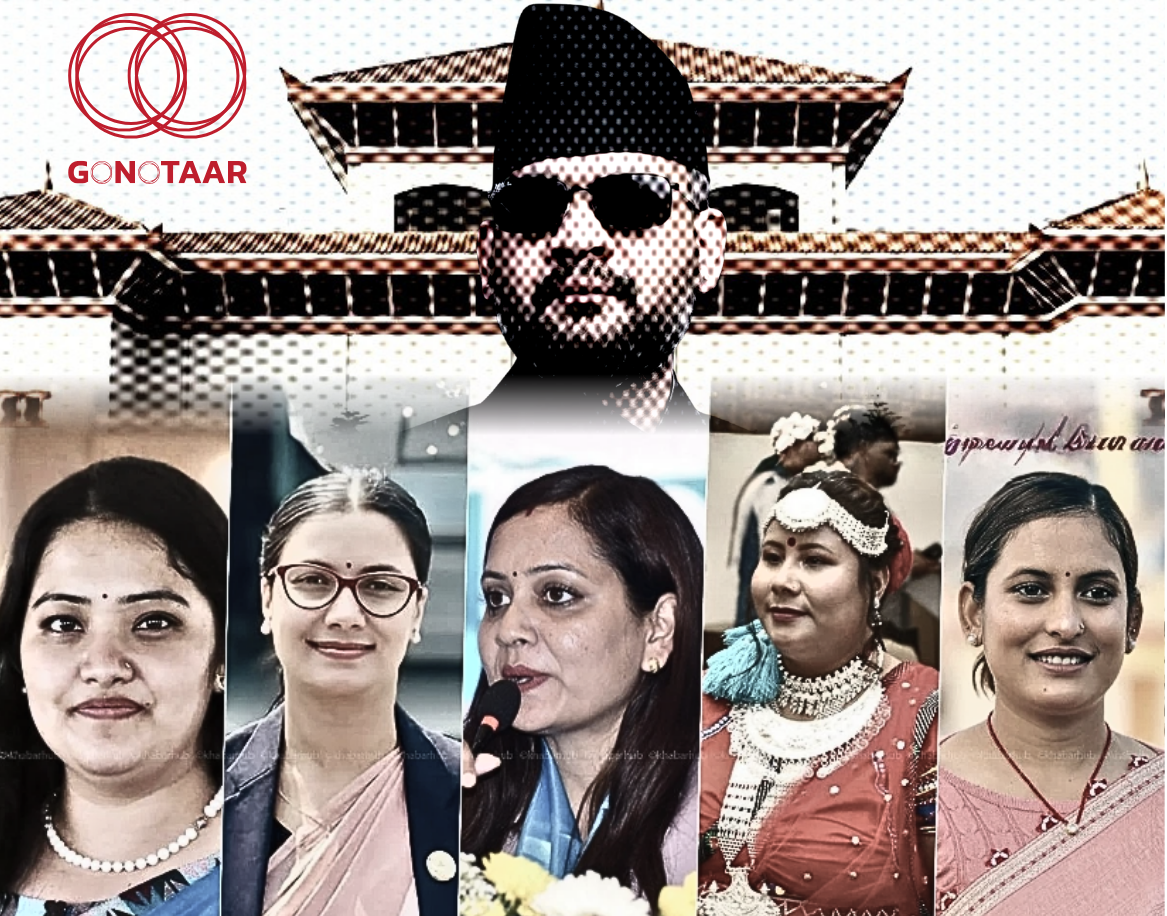
In a landmark move for Nepal’s political landscape, Prime Minister Balendra Shah (Balen) has formed a 15-member cabinet that officially meets the constitutional mandate of one-third female representation. This marks the first time a federal cabinet in Nepal has successfully appointed five women to ministerial positions simultaneously.
While the Constitution of Nepal has long guaranteed proportional inclusion, previous administrations consistently fell short of the 33% threshold. Prime Minister Shah’s new lineup addresses this gap, fulfilling the requirements set forth in Article 38(4), which mandates women’s participation in all state organs based on proportional and inclusive principles.
The New Ministerial Appointments
The five women ministers represent a mix of both proportional and direct election categories, taking over key portfolios:
- Sita Badi: Minister for Women, Children, and Senior Citizens
- Sobita Gautam: Minister for Law, Justice, and Parliamentary Affairs
- Pratibha Rawal: Minister for General Administration
- Nisha Mehta: Minister for Health and Population
- Geeta Chaudhary: Minister for Agriculture
Upholding Constitutional Mandates
The appointment is being hailed as a significant step toward constitutional accountability. Beyond Article 38(4), the constitution further reinforces these quotas through Article 84(2), which guarantees at least one-third female representation in the House of Representatives, and Article 176, which requires the same for provincial assemblies.
Despite these legal frameworks, implementation at the federal executive level had remained elusive until now. By aligning the cabinet’s composition with these provisions, the Shah administration sets a new precedent for gender parity in Nepal’s governance.