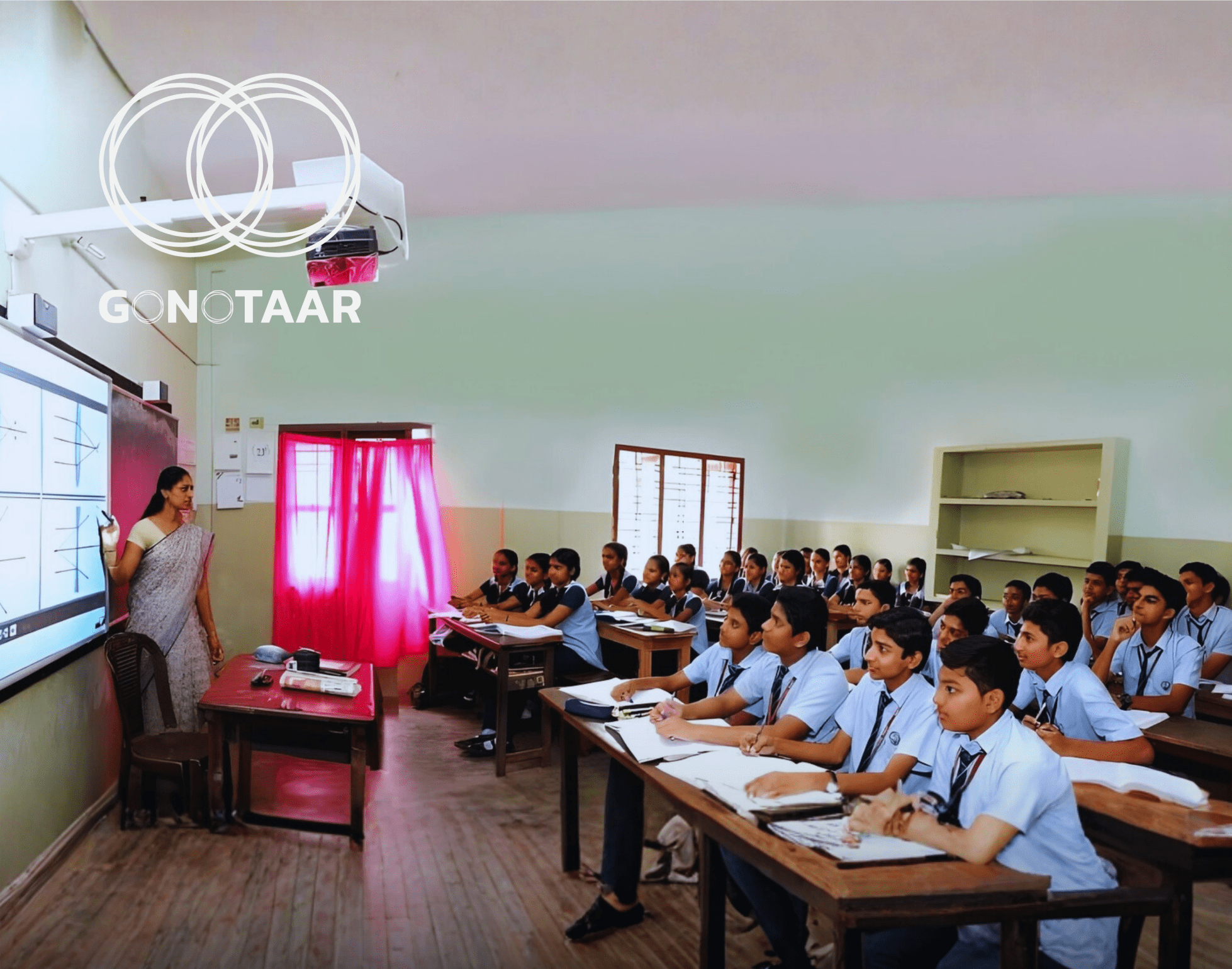
The Ministry of Education is preparing a new set of guidelines to bring English medium schools, operating under foreign curricula in Bangladesh, under regulatory control. These schools have long exploited the lack of specific regulations and legal oversight to operate freely, but the government intends to close this loophole.
According to the draft guidelines, mandatory registration will be enforced for all educational institutions. Currently, 70% of English medium schools in the country remain unregistered. In addition, the Ministry will determine tuition fees, registration fees, and holidays, and each institution will be required to form a regular managing committee. This committee, along with the head of the institution, will prepare expenditure reports and submit them at the end of each financial year for auditing. The Directorate of Education and the relevant education boards will oversee registration, expenditure, and transparency.
The move follows a directive issued by Education Minister A. N. M. Ehsanul Haque Milon on 19 February, instructing the formulation of guidelines for English medium schools. Speaking at a press briefing the same day, the Minister said:
“In the past, while the importance of tradition, culture, history, and religion was emphasized in education, English medium schools could not be brought under a regulatory framework. This time, we will take initiatives and implement effective measures under the Ministry’s control.”
He added:
“Every educational institution in the country must be under government and Ministry oversight. Having multiple regulatory systems in the same country is illogical. While international curricula such as Cambridge and British Council-approved programs are permitted, steps will be taken in the future to include them under the regulatory framework as well.”
The draft categorizes English medium schools into three classes:
- Class A: Schools with 700 or more students, qualified teachers, adequate infrastructure, and additional facilities.
- Class B: Schools with 400 to 700 students.
- Class C: Schools with fewer than 400 students.
Currently, 99% of students in these schools are Bangladeshi, yet there is no regulatory control or comprehensive data on what is being taught, who the teachers are, or how much tuition and other fees are being collected. Some reports note that students can name the President of the United States but are unaware of Bangladesh’s President or Prime Minister, the significance of Independence or Victory Day, or the national anthem.
Mandatory registration is absent for 70% of institutions: Thousands of schools across the country operate as English medium or international schools. While registration is mandatory, over 70% remain unregistered. Under the Registration of Private Schools Ordinance, 1962, temporary registration began in 2007, but official Ministry records show only 159 registered English medium schools with 64,507 students, while private associations estimate around 300 schools with approximately 300,000 students, and other sources claim over 28,500 schools.
Unregulated fees burden parents: Without oversight, these schools have been charging exorbitant and arbitrary fees from parents. Admission fees range from 50,000 to 650,000 BDT, and tuition fees vary from 30,000 to 2.6 million BDT annually, alongside numerous additional charges for forms, internet, lab fees, diaries, ID cards, books, and stationery. These costs increase every year despite repeated complaints and legal interventions. In May 2017, the court instructed schools not to collect re-admission fees, but schools circumvented this by raising other fees, leaving educational costs unaffected.
High Court directives ignored: The 2017 court directive required schools to form managing committees with parental participation to determine fees and oversee expenditures. It also stipulated transparent teacher recruitment, the inclusion of Bangladesh’s history, heritage, liberation war, and national leaders in textbooks, and mandatory audit reports for parents. However, parents report that most schools in Dhaka still do not comply with these rules.
With these new guidelines, the government aims to bring English medium schools under structured regulation, ensure financial transparency, and integrate national heritage and civic education into the curriculum, finally addressing long-standing concerns over the unregulated operation of these institutions.