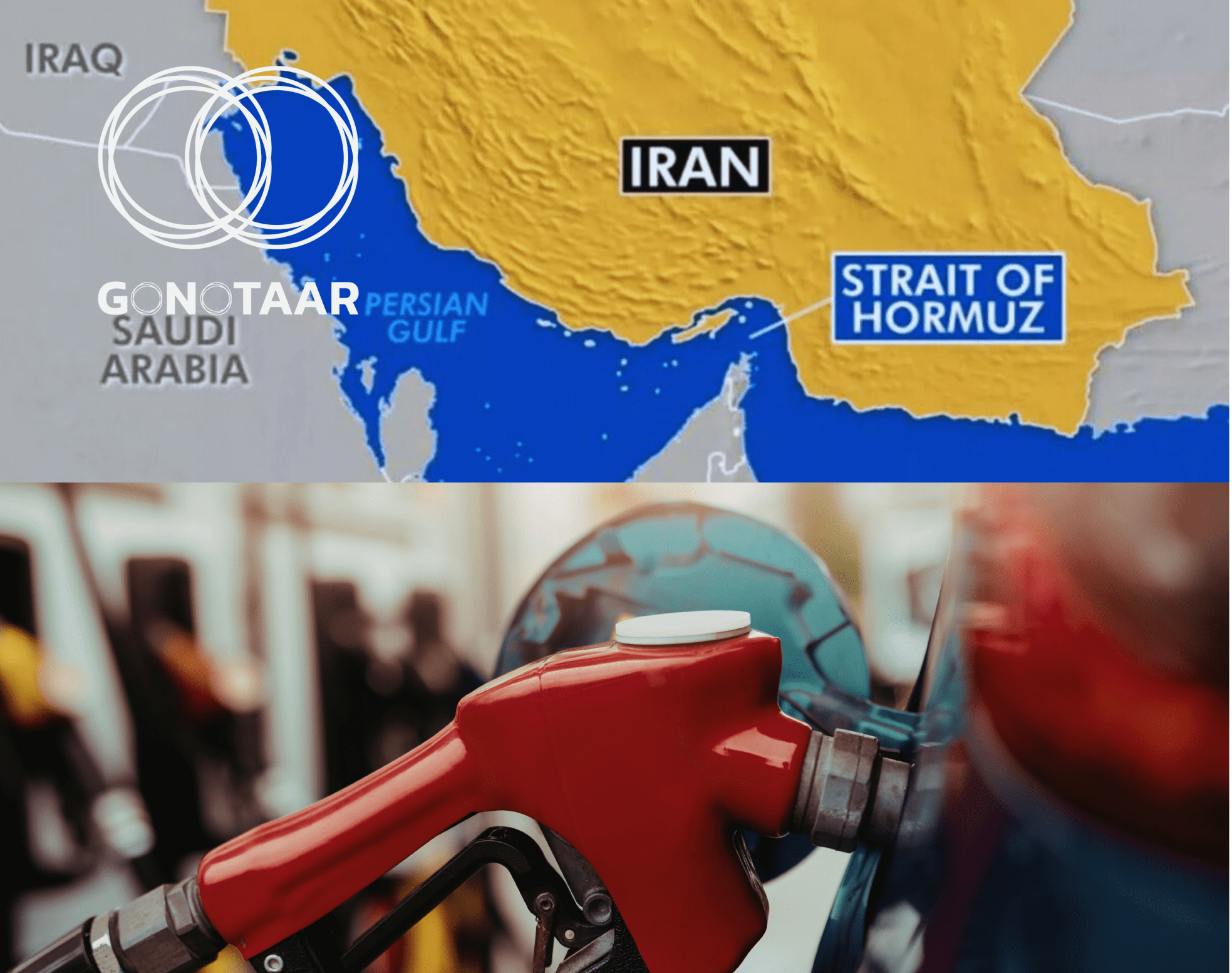
Tensions have escalated across the Middle East following the joint US-Israeli attack on Iran. Iran has announced the closure of the Strait of Hormuz, one of the world’s most important energy supply routes. This has put major pressure on global energy markets. Reuters reported this information.
Crude oil prices have risen by about 10 per cent to around $80 per barrel. Analysts fear that prices could reach $100 if the situation worsens.
About 15 million barrels of crude oil enter the world market every day through the Strait of Hormuz. The vast majority of exports from the major oil-producing countries in the Middle East are transported through this narrow waterway.
It is estimated that with shipping currently virtually halted, there could be a net deficit of 8 million to 10 million barrels of oil per day in the market.
Ajay Parmar, director of energy and refining analyst firm ICIS, said that while it is natural for oil prices to rise as a result of the military attack, the main concern is the closure of the Strait of Hormuz.
“By the end of the week, oil prices could be close to $100 per barrel. If the pipeline is closed for a long time, prices will rise further,” he said.
Rystad Energy, a leading energy research firm, said oil prices could rise by at least $20 per barrel when markets open on Monday (March 2).
According to the organization, the main reason for the price increase is the closure of shipping through the Strait of Hormuz.
A $20 increase in oil prices would increase transportation costs, which would impact the prices of essential goods. Analysts have warned that this could create new inflationary pressures around the world.