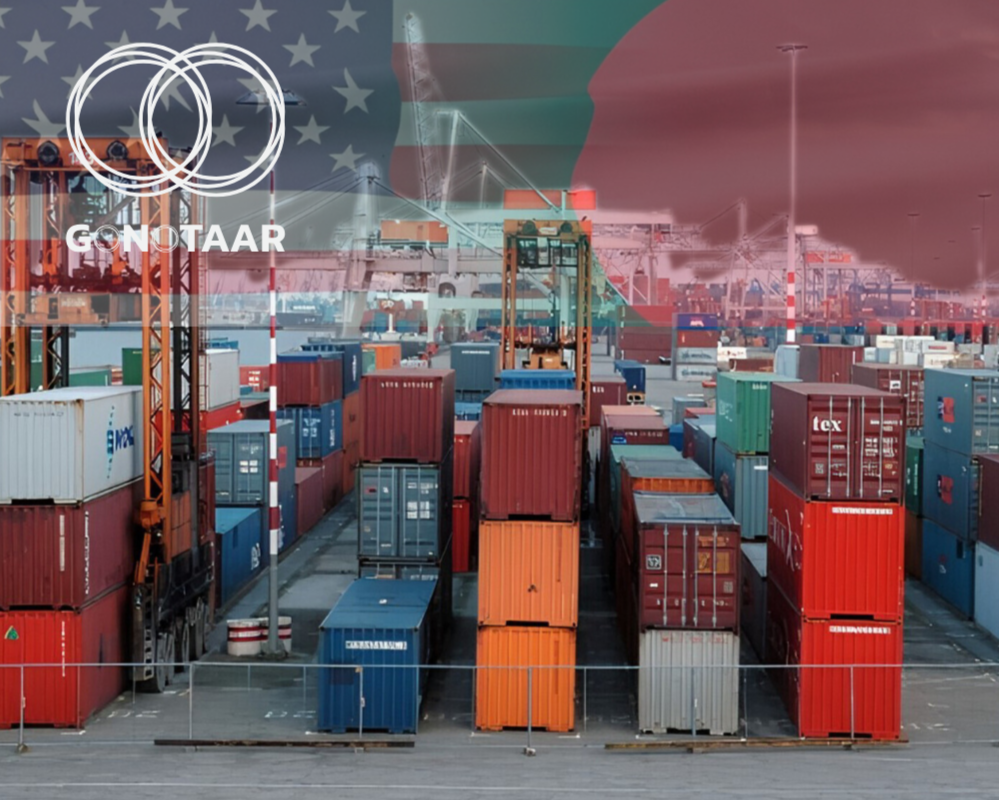
Bangladesh has welcomed a major breakthrough in trade negotiations with the United States, securing a 20 percent tariff on its exports under a sweeping new executive order signed by President Donald Trump.
The order, which overhauls US trade relations with 70 countries, imposes import duties ranging from 15 to 41 percent, depending on each country’s willingness to meet American demands related to trade, economic policy, and security cooperation.
Strategic Outcome for Apparel Industry
The 20 percent tariff rate is being viewed as a relief for Bangladesh’s vital apparel sector, which employs over four million workers and contributes more than 80 percent of the country’s export earnings. A steeper tariff could have severely disrupted exports to the United States — Bangladesh’s single largest apparel market.
“Today, we successfully avoided a potential 35 percent reciprocal tariff. That’s good news for our apparel sector and the millions who depend on it,” said National Security Adviser Khalilur Rahman, who was part of the negotiation team in Washington. “We’ve also preserved our global competitiveness and opened up new opportunities to access the world’s largest consumer market.”
Competitive Balance Maintained
The final tariff brings Bangladesh in line with regional apparel-exporting competitors such as Vietnam, Pakistan, Sri Lanka, and Indonesia — all of whom secured similar rates between 19 and 20 percent. India, however, received a higher rate of 25 percent, having failed to reach a full agreement.
“This alignment is crucial,” said Rahman. “It ensures that we are not priced out of the market due to disproportionate tariffs. Protecting our apparel industry was a top priority.”
Agricultural Concessions and Diplomatic Gains
As part of the deal, Bangladesh agreed to increase purchases of US agricultural products — a move that negotiators say will not only contribute to national food security but also strengthen bilateral ties with key US states.
“Our commitments were made carefully and with our national capacity in mind,” Rahman added. “Supporting US farmers also fosters goodwill in states that shape trade policy.”
Trump’s Bold Trade Realignment
President Trump’s executive order marks a significant recalibration of US trade policy, with tariff levels tailored to each country’s “depth of commitment” on a range of US concerns, including non-tariff barriers and domestic regulations perceived to distort trade balances.
Countries that resisted US demands or failed to propose reforms were hit hardest, while those that negotiated actively were granted partial relief.
Government Reacts with Cautious Optimism
Reacting from Washington, Commerce Adviser Sk Bashir Uddin commented, “With the 20 percent tariff imposed on Bangladesh, we will remain in a competitive position. There is no possibility that our exports to the United States will be hampered. However, we had expected a rate below 20 percent.”
Despite that slight disappointment, officials maintain that the deal safeguards Bangladesh’s economic interests at a critical juncture and preserves crucial access to the US market.